


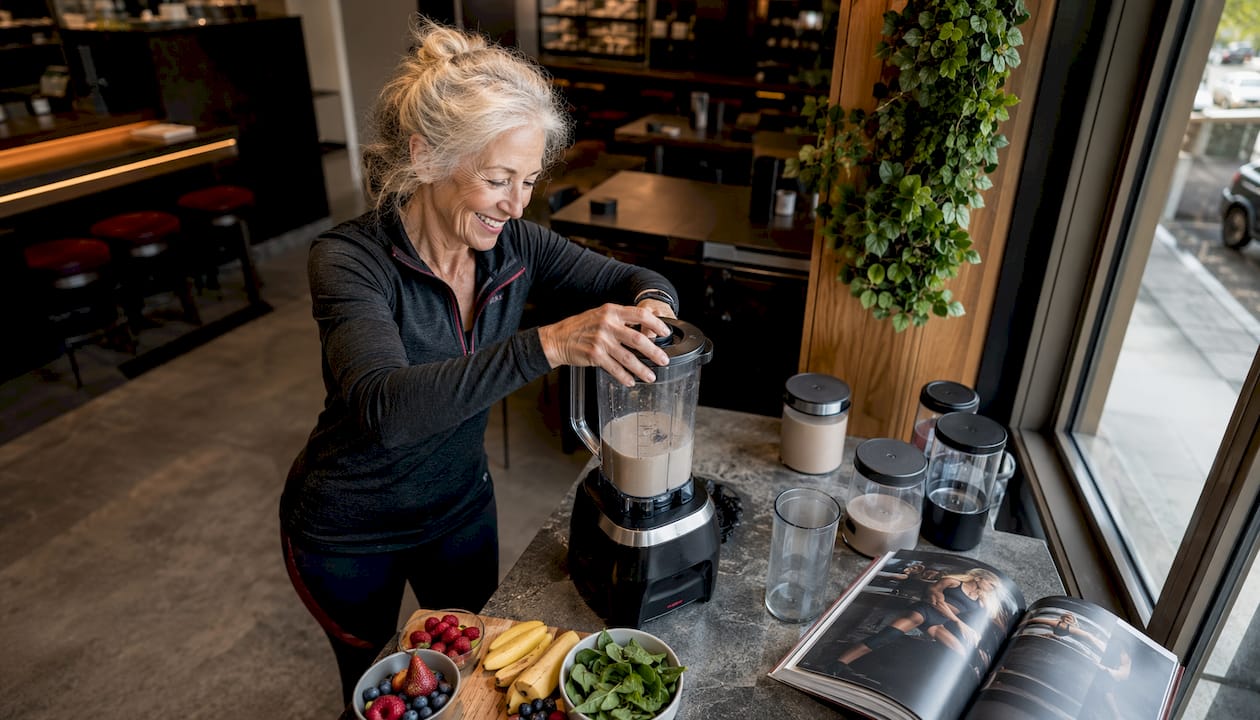
Nutrition is the single most controllable factor in whether older adults lose muscle quietly or hold onto it. The research is clear: seniors need 1.0–1.2 grams of protein per kilogram of body weight daily just to maintain muscle mass, and that number climbs to 1.2–1.5 g/kg when inflammation is present. Protein alone, though, is not enough. Vitamin D, magnesium, iron, omega-3 fatty acids, and adequate hydration each play a distinct role in keeping muscle tissue functional and resilient as the body ages. Timing matters too: spreading protein across meals in doses of 25–30 grams, rather than loading it all at dinner, produces a meaningfully stronger anabolic response. And none of this works in isolation from physical activity. The combination of well-timed, high-quality nutrition with resistance exercise is what actually moves the needle on sarcopenia prevention.
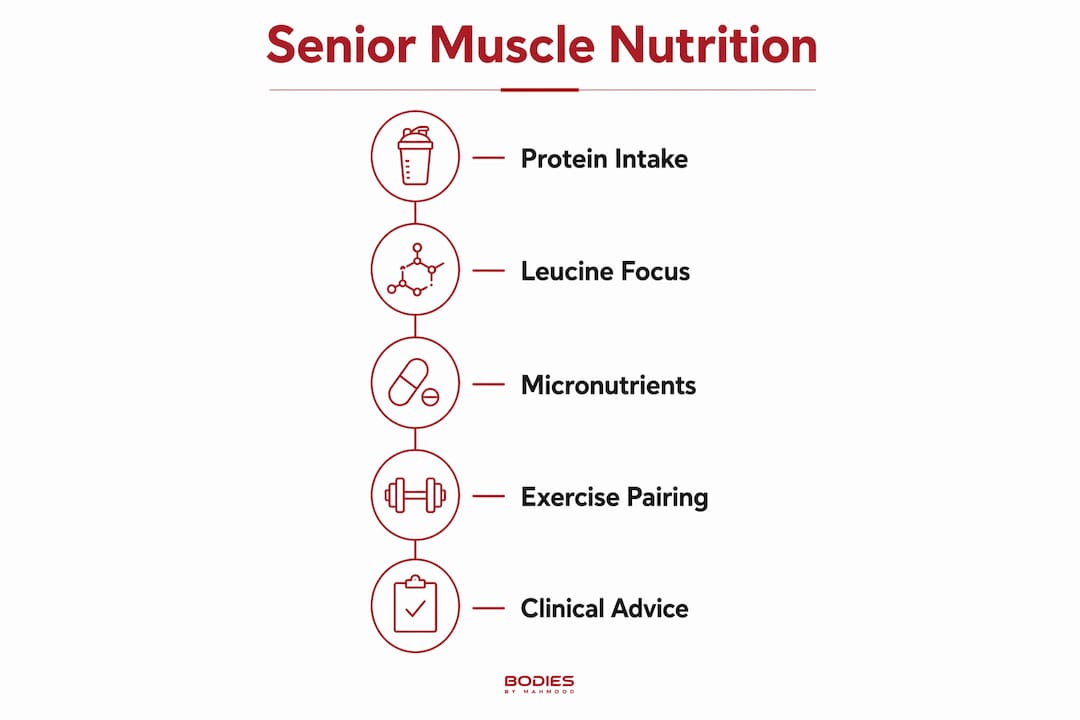
Here is a quick summary of the nutritional pillars that protect muscle health in older adults:
- Protein quantity: 1.0–1.2 g/kg/day at minimum; up to 1.5 g/kg/day with illness or inflammation
- Per-meal protein dose: 25–30 grams to trigger muscle protein synthesis effectively
- Leucine per meal: 2.8–3 grams to activate anabolic signaling pathways
- Key micronutrients: vitamin D (800–1,000 IU daily), magnesium, iron, and omega-3 fatty acids
- Hydration: consistent fluid intake throughout the day, targeting 4–6 cups daily
- Diet quality: Mediterranean-style eating patterns reduce systemic inflammation that degrades muscle
- Exercise synergy: resistance training amplifies every nutritional intervention listed above
Table of Contents
- How protein intake and quality shape aging muscle
- Which micronutrients actually protect muscle beyond protein?
- How to address anabolic resistance and pair nutrition with exercise
- What experts and clinical research recommend for muscle preservation
- Key Takeaways
- Put your nutrition plan into action with Bodiesbymahmood
How protein intake and quality shape aging muscle
Older adults face a physiological challenge that younger people simply do not: anabolic resistance. The aging body becomes less sensitive to the muscle-building signal that protein normally triggers, meaning the same amount of protein that maintains muscle in a 30-year-old may not be enough for a 70-year-old. The practical fix is not complicated, but it requires deliberate attention to both quantity and quality.
The recommended daily protein intake for older adults sits at 1.0–1.2 g/kg of body weight, well above the standard RDA of 0.8 g/kg that was established for younger populations. For a 150-pound (68 kg) senior, that translates to roughly 68–82 grams of protein per day under normal conditions. With active inflammation from conditions like arthritis or infection, needs can reach 1.5 g/kg/day.
Per-meal dosing is where many seniors fall short. Research shows that 25–30 grams per meal is the threshold needed to effectively stimulate muscle protein synthesis in older adults, and distributing protein across at least two meals daily matters as much as hitting the daily total. A diet that front-loads protein at dinner and skips it at breakfast leaves anabolic opportunity on the table for most of the day.

Leucine is the amino acid that acts as the molecular switch for muscle building. Older adults need 2.8–3 grams of leucine per meal to overcome blunted anabolic signaling. Whey protein is particularly well-suited here because it is absorbed rapidly and delivers a high leucine concentration per serving, making it one of the most studied and effective options for sarcopenia interventions.
Animal proteins generally outperform plant proteins in bioavailability and essential amino acid completeness. That said, protein blends combining animal and plant sources can still support muscle protein synthesis effectively, particularly when total leucine content is accounted for. Seniors who prefer plant-based eating should focus on soy, pea protein, and legumes, and may need slightly higher total protein to compensate for lower digestibility.
| Protein Target | Amount | Notes |
|---|---|---|
| Daily intake (baseline) | 1.0–1.2 g/kg body weight | Exceeds standard RDA of 0.8 g/kg |
| Daily intake (with inflammation) | 1.2–1.5 g/kg body weight | Illness, surgery, or chronic conditions |
| Per-meal dose | 25–30 grams | Minimum to stimulate muscle protein synthesis |
| Leucine per meal | 2.8–3 grams | Activates anabolic signaling pathways |
| Whey protein advantage | High leucine, fast absorption | Particularly effective for sarcopenia |
Pro Tip: Aim to include a quality protein source at breakfast, not just dinner. Eggs, Greek yogurt, or a whey shake in the morning set up your anabolic signaling early and distributes your daily protein more effectively across the day.
Which micronutrients actually protect muscle beyond protein?
Protein gets most of the attention, but Dr. Frank Hu of the Harvard T.H. Chan School of Public Health puts it plainly: getting enough protein is necessary, but it is not sufficient. The nutrients that work alongside protein are what separate a diet that slows muscle loss from one that merely checks a box.
Vitamin D is one of the most consequential micronutrients for older adults. Muscle cells contain vitamin D receptors, and low vitamin D levels are consistently linked to weaker muscles, slower walking speed, and higher fall risk. Supplements of 800–1,000 IU daily improve muscle function and balance in older adults, and vitamin D also supports calcium absorption, which is directly tied to muscle contraction. Most Americans need supplemental sources because skin synthesis declines with age.
Magnesium is involved in over 300 biochemical reactions in the body, many of them directly relevant to muscle contraction, relaxation, and protein creation. A 2022 study found that sufficient magnesium intake may protect against sarcopenia, yet many older adults fall short due to reduced appetite and decreased absorption. Leafy greens, nuts, seeds, beans, and whole grains are the most reliable food sources.
Iron supports muscle function by delivering oxygen to muscle tissue and enabling the production of myoglobin, the protein that stores oxygen within muscle cells. One study of older hospitalized patients found that iron deficiency impairs muscle strength independent of the normal effects of aging. Anemia becomes more common later in life, often due to medication interactions or absorption difficulties, so monitoring iron status is worth doing.
Omega-3 fatty acids address one of the root drivers of sarcopenia: chronic low-grade inflammation. Research shows that omega-3 supplementation can enhance the body’s rate of building proteins and repairing tissues. A 2021 study found that middle-aged and older adults who ate two weekly servings of fatty fish saw meaningful improvements in muscle mass, handgrip strength, and gait speed over just two months. Salmon, sardines, mackerel, walnuts, and flaxseeds are the most practical sources.
Hydration is often overlooked in muscle health conversations, but water makes up about 76% of muscle mass. Dehydration is common in older adults because thirst sensation weakens with age, and a 2023 study of 190 older adults found that dehydration correlates with greater muscle protein breakdown. Targeting consistent fluid intake throughout the day, including with every meal, is a practical starting point.
Micronutrient snapshot: Vitamin D supplementation at 800–1,000 IU daily has been linked to improved muscle strength and balance in older adults, and a Mediterranean-style diet rich in these nutrients may reduce sarcopenia risk by lowering the chronic inflammation that accelerates muscle loss.
Here is a practical summary of the key micronutrients and their roles:
- Vitamin D: 800–1,000 IU daily; supports muscle cell function, calcium absorption, and fall prevention
- Magnesium: found in leafy greens, nuts, and whole grains; aids muscle contraction and protein synthesis
- Iron: from poultry, fish, lentils, and fortified cereals; prevents myoglobin deficiency and muscle weakness
- Omega-3 fatty acids: two weekly servings of fatty fish or supplementation; reduces inflammation and supports protein synthesis
- Hydration: 4–6 cups of fluid daily; prevents muscle protein breakdown linked to dehydration
The Mediterranean diet ties these elements together. Its emphasis on vegetables, legumes, whole grains, olive oil, and fatty fish delivers most of these micronutrients in their most bioavailable forms while keeping systemic inflammation low. For seniors looking to build a senior muscle strength diet around real food rather than a supplement stack, this pattern is the most evidence-supported starting point.
How to address anabolic resistance and pair nutrition with exercise
Anabolic resistance is not a disease. It is a normal feature of aging physiology, and understanding it changes how you approach both eating and training. The aging muscle simply requires a stronger nutritional signal to respond the same way a younger muscle would to a modest protein dose.
The practical implication is that older adults cannot rely on the same casual approach to protein that worked at 40. Higher-quality and more frequent protein consumption is required to achieve muscle protein synthesis comparable to younger adults. This means choosing leucine-rich sources, hitting the 25–30 gram per-meal threshold, and not letting more than 5–6 hours pass between protein feedings during waking hours.
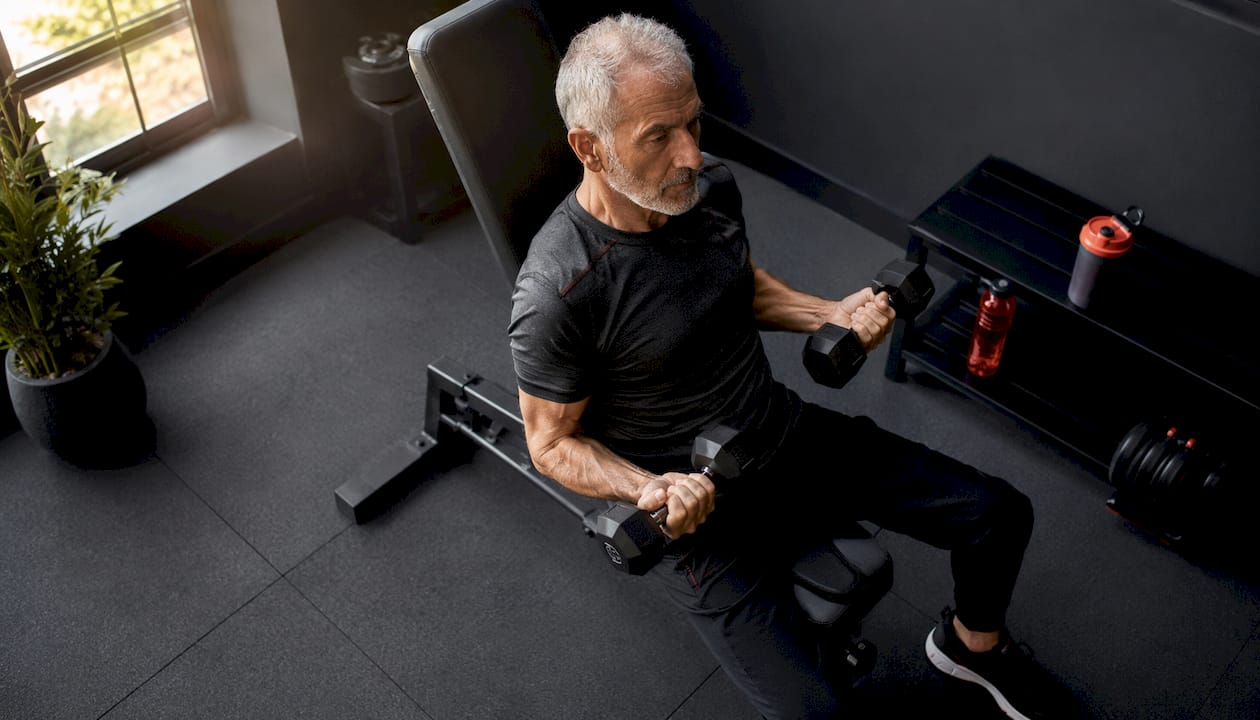
Resistance training is the primary stimulus for muscle growth, but nutrition is what makes that stimulus productive. Combined nutrition and resistance training produce synergistic effects on muscle mass, strength, and function that neither approach achieves alone. For seniors who can train, timing protein intake around exercise sessions, particularly within the hours following a workout, amplifies the anabolic response. For those who cannot exercise due to frailty or illness, nutrition becomes the primary tool, and the protein and leucine targets become even more critical to maintain.
Sarcopenic obesity, where low muscle mass coexists with excess body fat, adds another layer of complexity. Caloric restriction aggressive enough to cause rapid weight loss can accelerate muscle loss, so energy balance needs to be managed carefully. The goal is preserving or building lean mass while managing body composition gradually, not cutting calories at the expense of protein adequacy. A personalized fitness and nutrition approach that accounts for both goals simultaneously is far more effective than addressing one at a time.
For seniors with limited mobility, seated strength training combined with timed protein intake offers a practical path to maintaining muscle function without requiring full mobility. Even low-intensity resistance work, when paired with adequate leucine and protein distribution, can slow the rate of muscle loss meaningfully.
Pro Tip: If you are working with a trainer or physical therapist, ask them to align your protein intake timing with your exercise schedule. Consuming 25–30 grams of high-quality protein within two hours after a resistance session gives your muscles the raw material they need when anabolic signaling is at its peak.
For those interested in how body composition goals interact with nutrition strategy at different life stages, the body recomposition guide from HTK Training offers a useful framework for understanding how muscle and fat respond to nutrition adjustments over time.
What experts and clinical research recommend for muscle preservation
The clinical consensus on nutrition for aging muscle has sharpened considerably over the past decade. Gerontology and nutrition specialists now agree that protein quantity, leucine dosing, and diet quality are the three non-negotiable pillars, and that supplementation plays a supporting role when diet alone cannot cover the gaps.
Whey protein remains the most studied supplement for sarcopenia, largely because of its rapid amino acid absorption and high leucine content. Creatine monohydrate has accumulated strong evidence as well, particularly when combined with resistance training, supporting both strength and muscle mass in older adults. Vitamin D and omega-3 fatty acids round out the core supplement recommendations, especially for seniors who cannot reliably get these from food alone.
An emerging area worth watching is the gut-muscle axis. Probiotic interventions that favorably shift gut microbiota composition have shown correlations with improved physical performance and muscle preservation in older adults. The mechanism is not fully understood yet, but the connection between gut health and muscle health is attracting serious research attention.
Caregivers and practitioners face a real challenge in delivering personalized nutrition strategies to seniors with varying health statuses, medication loads, and appetite levels. A one-size approach fails quickly. Older adults with chronic kidney disease, for example, may face protein restrictions that conflict with sarcopenia prevention targets, requiring careful clinical management. Those with swallowing difficulties need protein delivered in forms they can safely consume.
Here are the evidence-backed best practices that nutrition and gerontology specialists consistently recommend:
- Prioritize leucine-rich protein sources at every meal: eggs, dairy, poultry, fish, and whey protein supplements
- Distribute protein evenly across at least two meals daily rather than concentrating it at one sitting
- Supplement vitamin D at 800–1,000 IU daily if sun exposure is limited or blood levels are low
- Add omega-3 fatty acids through two weekly servings of fatty fish or a fish oil supplement
- Consider creatine monohydrate when combined with a resistance training program
- Monitor gut health and consider probiotic foods (yogurt, kefir, fermented vegetables) as part of the overall dietary pattern
- Track progress through functional measures like grip strength, walking speed, and ability to rise from a chair, not just body weight
Pro Tip: Ask your doctor to check serum vitamin D, iron, and albumin levels at your next visit. These three markers give a fast, practical picture of whether your nutritional status is supporting or undermining your muscle health.
Caregivers play a particularly important role in ensuring that seniors with reduced appetite still meet their protein targets. Fortifying meals with Greek yogurt, powdered milk, or whey protein, and offering smaller, more frequent meals, can close the gap when large portions are not realistic. For a broader look at how athletic longevity and mobility interact with nutrition over time, the principles apply well beyond competitive athletes to anyone trying to stay functional and strong into their later decades.
The active aging fitness guide from Bodiesbymahmood provides additional context on how to set realistic, trackable goals that align nutrition and exercise for seniors at different fitness levels.
Key Takeaways
Adequate protein, timed correctly and paired with key micronutrients, is the nutritional foundation that determines whether aging muscle holds or declines.
| Point | Details |
|---|---|
| Protein quantity for seniors | Target 1.0–1.2 g/kg/day at minimum; increase to 1.2–1.5 g/kg/day during inflammation or illness. |
| Per-meal protein and leucine | Consume 25–30 grams of protein and 2.8–3 grams of leucine per meal to effectively trigger muscle protein synthesis. |
| Critical micronutrients | Vitamin D (800–1,000 IU daily), magnesium, iron, and omega-3 fatty acids each protect muscle function independently. |
| Hydration and muscle breakdown | Target 4–6 cups of fluid daily; consistent hydration throughout the day helps prevent muscle protein breakdown linked to dehydration. |
| Nutrition plus exercise | Combined resistance training and nutrition produce synergistic muscle gains that neither approach achieves alone. |
Put your nutrition plan into action with Bodiesbymahmood

Understanding what your muscles need is step one. Building a plan that actually delivers it, consistently and in a way that fits your life, is where most people need support. Bodiesbymahmood has spent over 25 years helping people at every fitness level, including adults 50 and older, build strength and preserve function through personalized training and nutrition guidance.
The personal training programs at Bodiesbymahmood are designed around individual goals, health status, and physical capacity. Whether you are working to prevent sarcopenia, recover from a period of inactivity, or simply want to stay strong and independent for the years ahead, the team brings both the scientific knowledge and the hands-on experience to build a program that works.