



Seated strength training is defined as resistance exercise performed from a seated position to build muscular strength, improve functional independence, and support daily movement. This method works for fitness enthusiasts and individuals with mobility concerns alike, making it one of the most accessible forms of resistance work available. A review of 1,400 studies confirmed that seated training significantly improves both upper and lower body function, measured by handgrip strength and the 30-second chair stand test. Those two markers directly reflect your ability to open a jar, stand up from a couch, or climb a flight of stairs. Bodiesbymahmood has worked with clients across all ability levels for over 25 years, and seated resistance training consistently delivers real, measurable results.
What is seated strength training and why does it work?
Seated strength training is resistance exercise performed while sitting, using bodyweight, resistance bands, or light dumbbells to load muscles through controlled movement. The industry also calls this chair-based resistance training or seated resistance training. Both terms describe the same core method: removing the standing balance demand so the muscles do the actual work.
The reason it works comes down to physics and muscle mechanics. Seated training eliminates momentum, forcing muscles to produce 100% of the force through each repetition. Experts describe well-executed seated exercises as “surgical strikes” on specific muscles, because compensatory body motions common in standing work are removed. That isolation effect can actually produce better hypertrophy in targeted muscle groups than sloppy standing versions of the same movement.

Seated training also removes the fear of falling. Chair-based exercises eliminate high-balance demands, which allows the nervous system to focus on neuromuscular retraining rather than balance correction. For anyone recovering from injury, managing a chronic condition, or simply starting out, that safety margin is not a compromise. It is an advantage.
What are the key benefits of seated strength training?
The benefits of seated strength training span physical function, joint health, and daily independence. The most direct gains show up in two places: grip strength and the ability to stand from a chair. Both are clinically recognized markers of overall functional capacity.
- Improved upper body function. Seated rows, arm lifts, and shoulder presses build the pulling and pushing strength needed for daily tasks like carrying groceries or lifting overhead.
- Improved lower body function. Chair squats and seated marches strengthen the quads, glutes, and hip flexors that power standing, walking, and stair climbing.
- Reduced fall risk. Accumulating 2–3 hours of exercise weekly, including seated strength work, significantly reduces fall risk in older adults.
- Joint-friendly loading. Chair-based exercises reduce balance demands and joint impact, making them safe for people with arthritis, osteoporosis, or post-surgical limitations.
- Better muscle isolation. Removing compensatory motion means the target muscle works harder per rep, not less.
One misconception worth addressing directly: seated training is not a watered-down version of standing work. The method is different, not inferior. For populations where standing exercise carries fall risk or joint stress, seated resistance training is the superior choice, not a fallback.
What equipment and settings are ideal for seated strength training?
The right setup makes the difference between a productive session and a wasted one. Seated resistance training requires minimal equipment: a sturdy armless chair, resistance bands, and light dumbbells in the 1–5 lb range cover the vast majority of exercises. Resistance bands used in clinical and fitness settings are lab tested to withstand over 150,000 pulls, so durability is not a concern when you buy from a reputable source.

The chair matters more than most people realize. An armless chair gives you full range of motion for lateral raises, rows, and leg extensions. A chair with arms tempts you to push off or stabilize with your hands, which reduces the load on the muscles you are trying to train.
Pro Tip: Never use the chair arms as a crutch during reps. Resting your hands on the arms shifts work away from your target muscles and limits strength gains. Keep your hands free and your core engaged throughout every set.
Posture is the other non-negotiable. Maintaining foot drive and core tension throughout each exercise is critical for generating force safely. Sit tall, press your feet into the floor, and brace your midsection as if you expect a light punch. That active posture turns a casual seated movement into a genuine strength stimulus.
Which exercises make up an effective seated strength routine?
A well-built seated strength workout routine covers the upper body, lower body, and core in each session. The following structure works for beginners and can be scaled up for more advanced trainees.
Upper body exercises
- Seated row with resistance band. Anchor a band at chest height, sit tall, and pull both handles toward your ribcage. This targets the mid-back, rear deltoids, and biceps.
- Shoulder press with dumbbells. Hold 1–5 lb dumbbells at shoulder height and press overhead. Keep your core braced and avoid arching your lower back.
- Lateral arm raise. With light dumbbells or no weight, raise both arms out to shoulder height and lower slowly. The slow lowering phase builds more strength than the lift itself.
Lower body exercises
- Chair squat. Stand up from the chair and sit back down with control. This is the most functional lower body exercise available and directly trains the movement pattern used dozens of times daily.
- Seated march. Lift alternating knees toward your chest while seated. This activates the hip flexors and builds the coordination needed for walking.
- Knee extension. Straighten one leg at a time from a seated position and hold for two seconds. This isolates the quadriceps without any joint compression.
| Exercise | Primary muscles | Equipment needed |
|---|---|---|
| Seated row | Mid-back, biceps | Resistance band |
| Shoulder press | Deltoids, triceps | Dumbbells (1–5 lbs) |
| Chair squat | Quads, glutes | Bodyweight |
| Seated march | Hip flexors, core | Bodyweight |
| Knee extension | Quadriceps | Bodyweight or ankle weight |
For beginners, two sets of 10–12 reps per exercise is a solid starting point. Progress by adding a third set before increasing resistance. Aim to train 2–3 times per week, which aligns with exercise physiologist recommendations for optimal strength gains and recovery.
How does seated strength training fit into a weekly fitness plan?
Building a sustainable seated strength workout routine comes down to frequency, recovery, and gradual progression. Trying to do too much too soon is the most common mistake, and it leads to soreness, discouragement, and dropout.
- Train 2–3 times per week. Allow at least 48 hours between sessions so muscles can repair and grow stronger.
- Start with 10–15 minutes per session. Short sessions done consistently outperform long sessions done occasionally.
- Add one exercise or one set every two weeks. Gradual progression prevents overload and keeps the program sustainable.
- Prioritize posture every session. Foot drive, core engagement, and sitting tall are not optional extras. They determine how much work the muscles actually do.
- Combine with other movement when possible. Seated training complements walking, swimming, or standing exercises. It does not need to replace them.
Pro Tip: Performing 1–2 seated exercises daily, even on rest days, improves long-term joint health more than infrequent full-body sessions. Pick one upper body and one lower body movement and cycle through them on off days at low intensity.
Consistency matters more than intensity at every stage. A person who does two sets of chair squats three times a week for six months will outperform someone who does a single intense session and stops. The research on fall prevention and functional independence consistently points to accumulated volume over time, not peak effort on any given day.
Key Takeaways
Seated strength training is the most accessible and joint-friendly form of resistance exercise, and when done consistently with proper posture, it produces genuine strength gains in both the upper and lower body.
| Point | Details |
|---|---|
| Definition and effectiveness | Seated resistance training builds real muscle strength by eliminating momentum and forcing full muscle engagement. |
| Core technique requirement | Foot drive and core tension must stay active throughout every rep to maximize force and safety. |
| Minimal equipment needed | An armless chair, resistance bands, and 1–5 lb dumbbells cover the full range of seated exercises. |
| Optimal training frequency | Train 2–3 times per week with at least 48 hours of rest between sessions for best results. |
| Functional independence gains | Improvements in handgrip strength and the chair stand test directly reflect gains in daily life capability. |
Why I think seated training deserves more respect than it gets
After 25 years of working with athletes and everyday clients at Bodiesbymahmood, I have seen seated strength training dismissed more times than I can count. People assume that if you are sitting down, you are not really working. That assumption is wrong, and it costs people real progress.
The clients who have surprised me most are not the athletes. They are the adults in their 50s and 60s who came in with knee pain, balance issues, or post-surgery restrictions. We started them on chair-based resistance work, and within eight weeks, they were standing from chairs faster, carrying groceries without stopping, and reporting less daily fatigue. The 30-second chair stand test does not lie. When those numbers go up, life gets easier.
What I tell every client is this: seated training is not a step down from standing training. It is a different tool. For some people, it is the right tool permanently. For others, it is the bridge that builds enough strength and confidence to progress to standing work. Either way, the muscles do not know or care whether you are sitting or standing. They respond to tension, load, and consistency.
The biggest mistake I see is people avoiding seated training because it feels “too easy.” If you are sitting tall, pressing your feet into the floor, keeping your core braced, and moving through a full range of motion with controlled tempo, it is not easy. It is exactly what your body needs.
— Mahmood
Personalized seated strength training at Bodiesbymahmood
Seated strength training works best when the program fits your specific goals, limitations, and starting point. Generic routines leave too much on the table.
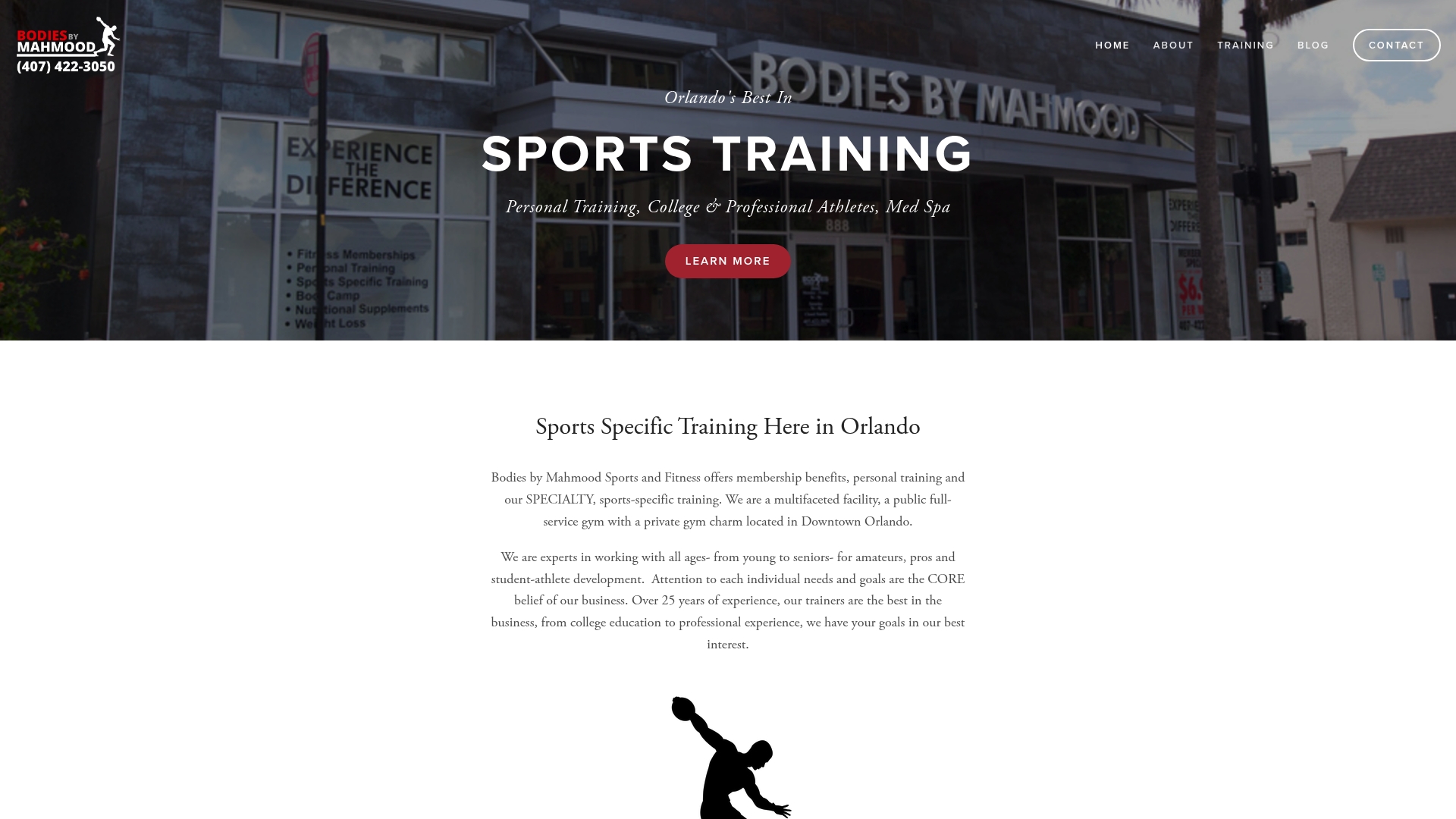
At Bodiesbymahmood in Orlando, the personal training programs include seated resistance training plans built around your mobility level, fitness history, and functional goals. Whether you are managing a mobility limitation, recovering from an injury, or simply looking for a low-impact way to build strength, the team designs sessions that progress at the right pace for you. With over 25 years of experience working with clients from beginners to professional athletes, Bodiesbymahmood guarantees results. Learn more about the full range of services and find the program that fits where you are right now.
FAQ
What is seated strength training?
Seated strength training is resistance exercise performed from a seated position using bodyweight, resistance bands, or light dumbbells to build muscular strength and functional independence. It is also called chair-based resistance training.
Is seated strength training effective for building muscle?
Yes. Seated exercises eliminate momentum, forcing muscles to do 100% of the work, which produces genuine strength gains and can support muscle hypertrophy with consistent training.
How often should I do seated strength training?
Exercise physiologists recommend 2–3 sessions per week with at least 48 hours of rest between sessions to allow full muscle recovery and support strength adaptation.
Who benefits most from seated strength training?
Seniors, individuals with mobility limitations, and anyone recovering from injury benefit most, but fitness enthusiasts also use seated resistance training to isolate specific muscle groups more effectively than standing alternatives.
What equipment do I need to start?
A sturdy armless chair, a set of resistance bands, and light dumbbells in the 1–5 lb range are all you need to run a complete seated strength workout routine at home or in a gym.