


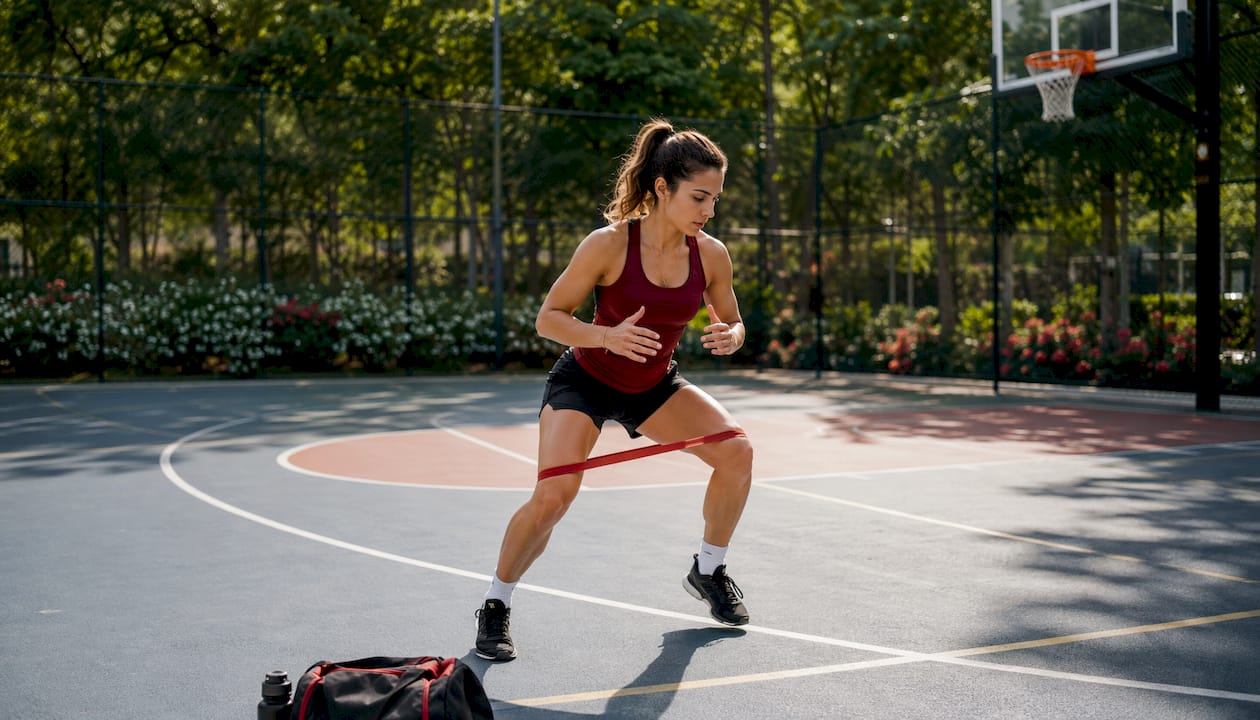
If you need a VertiMax alternative right now, here is the short answer: resistance band systems (like Vertical Blitz Bands) are the best fit for budget-conscious athletes and team coaches; flywheel/inertial trainers (like PWR Joe or the Exxentric kBox) are the right call for rehab and eccentric loading; connected platforms and apps (TrainHeroic, ArisPro, VertMax app) work best when your priority is programming and data; and if you want supervised training without buying anything, a qualified sports-performance facility is the most practical starting point.
The price gap is real. VertiMax platforms list at $3,000–$5,000, while band-based alternatives like Vertical Blitz Bands start at $99.99 as of mid-2026 retail pricing. That spread alone explains why coaches and athletes are actively searching for vertimaxapp.com alternatives.
- Budget/team training: Vertical Blitz Bands (starting at $99.99) let an entire squad train at the same time, with no platform required.
- Rehab/eccentric loading: Flywheel stations like PWR Joe or the Exxentric kBox deliver precise eccentric dosing in a compact footprint.
- Data-first coaching: TrainHeroic, ArisPro, or the VertMax app give you structured programming and progress tracking without a $5,000 hardware commitment.
- Unsure or space-limited: Bodiesbymahmood in Orlando offers supervised, sports-specific training with access to multiple systems, so you can test before you spend.
Table of Contents
- How do the top VertiMax alternatives compare at a glance?
- What each alternative actually does and when to pick it
- What do you actually gain and lose when you switch?
- How do you choose the right alternative for your situation?
- What do these alternatives cost, and where do you buy them in the U.S.?
- When does hiring a sports-specific facility beat buying equipment?
- Key Takeaways
- What actually works in real training settings
- Supervised training at Bodiesbymahmood: try before you commit
- Useful sources and further reading
How do the top VertiMax alternatives compare at a glance?
| Alternative | Price Range | Portability | Training Focus | Tracking/Data | Best For | Durability/Maintenance | Space & Setup |
|---|---|---|---|---|---|---|---|
| Vertical Blitz Bands | $99.99+ | High — fits in a bag | Plyometrics, vertical jump, speed | None built-in | Budget athletes, teams | Low maintenance; replacement bands start at $14.99 | Any surface; under 1 min setup |
| Exxentric kBox | Mid-thousands | Moderate — portable flywheel | Eccentric loading, strength | Basic (app integration) | Rehab, strength coaches | Moderate; disc/strap checks | Small footprint; 10–15 min setup |
| PWR Joe | Mid-thousands | Low — wall-mounted | Eccentric loading, multi-vector | Moderate | Clinics, private studios | Low once installed | Under 1 m²; permanent mount |
| ArisPro | Hardware upfront + subscription | Low — stationary platform | Jump training, plyometrics | High (digital calibration) | Data-driven coaches, academies | Moderate; proprietary parts | Dedicated space required |
| TrainHeroic | Free–paid tiers | N/A — software only | Programming delivery, all sports | High (coach dashboard) | Remote coaches, team programs | N/A | No physical footprint |
| VertMax App | $34.99/year | N/A — smartphone | Jump training, movement tracking | Moderate (AI video) | Individual athletes, home training | N/A | No physical footprint |
| Trainerize | Paid subscription | N/A — software only | General fitness programming | High | Personal trainers, online coaches | N/A | No physical footprint |
| Nextiles | Enterprise pricing | Wearable — very high | Biomechanics, movement data | Very high (smart fabric) | Elite teams, sports science labs | Moderate; garment care | Wearable; no floor space |
| ShapeLog | Enterprise/gym integration | Low — hardware integration | Connected strength training | High | Commercial gyms, performance centers | Moderate | Existing equipment integration |
| Bodiesbymahmood | Session/membership pricing | N/A — facility-based | Sports-specific, multi-system | High (supervised testing) | Athletes wanting expert guidance | N/A | Orlando facility |
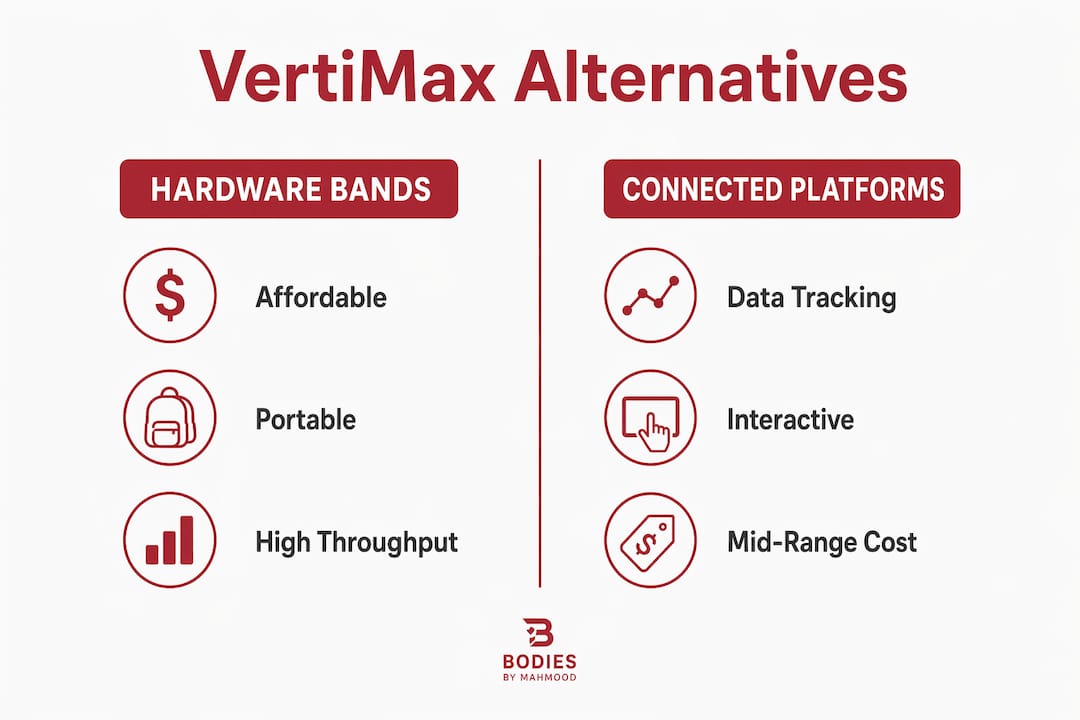
Pro Tip: The biggest long-term cost difference is not the purchase price — it is band and part replacement. A single VertiMax replacement band runs $175; a Vertical Blitz replacement band starts at $14.99. Over two or three years, that gap compounds fast for any team running regular sessions.
Vertical Blitz Bands start at $99.99 versus VertiMax’s $3,000–$5,000 entry point, a price difference that makes the band category the default starting point for any coach working with a real budget.
What each alternative actually does and when to pick it
Hardware band systems
Vertical Blitz Bands are the most direct VertiMax substitute for team coaches. You attach resistance bands to a shoulder sleeve and foot straps, and every athlete on the floor can train at the same time. Bands allow whole-team simultaneous reps, which is the single biggest throughput advantage over a stationary platform that serves one or two athletes at a time. Setup takes under a minute. There are no pulleys, no cords to adjust, and no dedicated floor space. The trade-off: resistance is linear, not multi-planar, so you lose the horizontal loading vector that VertiMax’s patent covers.
Flywheel and inertial trainers
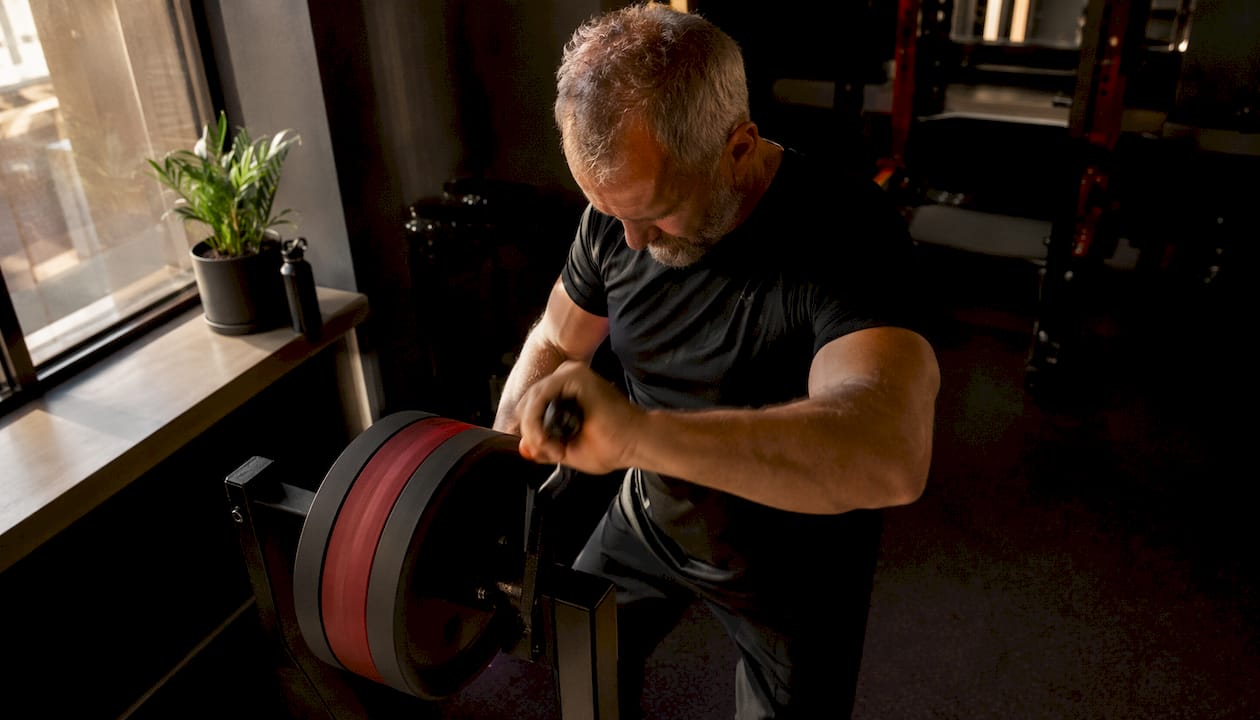
Exxentric kBox and PWR Joe operate on a fundamentally different principle. Instead of elastic resistance, they use rotational inertia to create eccentric overload, meaning the muscle works hardest on the way down, not the way up. That makes them the go-to choice for late-stage rehab and return-to-play protocols. Flywheel systems are increasingly selected for late-stage rehab because they allow precise dosing of eccentric force without the spikes that free weights or bands can produce. PWR Joe is wall-mounted with 15+ loading vectors and fits in under 1 m², making it practical for clinics and private studios. The kBox is portable enough to move between rooms. Neither is cheap, and both require a learning curve for coaches who are new to eccentric programming.
Connected hardware platforms
ArisPro sits in the mid-market between a simple band set and a full VertiMax platform. It combines a resistance-based jump training station with digitally calibrated programs and optional subscription tiers for analytics. Digital calibration and integrated analytics change how coaches program long-term progress, making ArisPro a reasonable step up for academies that need longitudinal athlete monitoring but cannot justify a full VertiMax price tag. Proprietary parts mean you are tied to the vendor for replacements, so ask about that before buying.
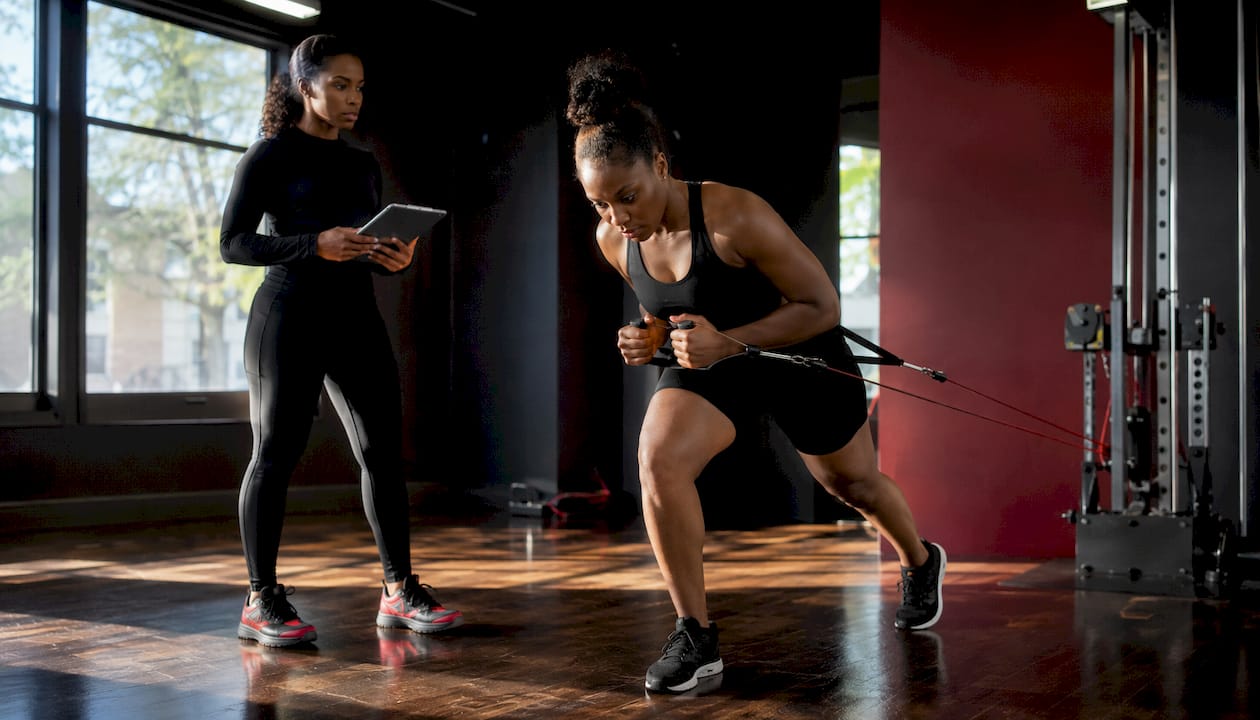
ShapeLog takes a different approach: it integrates connected strength tracking into existing gym equipment rather than replacing it. That makes it more relevant for commercial gyms and performance centers that already have a weight room and want data layered on top.
Software and app alternatives
TrainHeroic is the clearest software-only alternative for coaches who need structured program delivery and remote accountability. Apps and software ecosystems can replace hardware when the main need is programming and monitoring rather than machine-specific loading. Free and paid tiers are available, and the coach dashboard gives real visibility into athlete compliance and load. It does not replace the physical stimulus of resistance training, but for coaches whose VertiMax use was primarily about programming structure, it covers that gap at a fraction of the cost.
VertMax app uses AI video analysis to track jump training and movement quality via smartphone. A yearly subscription runs $34.99, making it the lowest-cost entry point for any individual athlete who wants guided programming without hardware. It is a solid fit for home training or travel, though the feedback loop is narrower than a coach-supervised session.
Trainerize is a broader personal training platform used by coaches to deliver programming, track client progress, and communicate remotely. It is not jump-training-specific, but for a personal trainer who used VertiMax’s app primarily to organize client workouts, Trainerize covers that function well. The QuickCoach comparison of coaching platforms puts the range of software options in context, with free tiers available and paid plans starting in the $39/month range for pro features.
Wearable and sensor-based systems
Nextiles uses smart fabric sensors embedded in garments to capture biomechanical data during movement. It is not a resistance training tool in the traditional sense; it is a measurement layer. For elite teams and sports science labs that want movement data without attaching external sensors, it is genuinely useful. For most coaches and individual athletes, it is overkill and priced accordingly.
What do you actually gain and lose when you switch?
Switching away from VertiMax is not a straight upgrade or downgrade. It depends entirely on what you were using it for.
Concrete gains from alternatives:
- Lower upfront cost, often by thousands of dollars
- Team throughput: band systems let every athlete train simultaneously instead of rotating through a single station
- Portability: band sets travel to games, outdoor sessions, and home gyms
- Flywheel systems add eccentric loading quality that VertiMax does not match
- Software platforms give remote coaching capability and compliance tracking
Concrete losses:
- Multi-planar resistance: VertiMax’s patented horizontal-plus-vertical loading is not replicated by simple band systems
- Built-in tracking: most hardware alternatives have no native analytics; you need a separate app or platform
- Single-station limits disappear with bands, but flywheel and connected platforms still serve one or two athletes at a time
Safety note for coaches: Plyometric training without proper resistance loading increases injury risk when athletes are not yet prepared for high-force landings. If you are moving from a supervised VertiMax setup to unsupervised band or bodyweight plyometrics, progressive loading and landing mechanics coaching are not optional. For rehab populations, flywheel eccentric loading requires supervised progression — do not hand an athlete a kBox without a qualified coach managing the dosing.
A team coach running 20 athletes through a session will almost always find bands more practical than any stationary platform. A rehab therapist working one-on-one with a post-ACL athlete will find a flywheel station worth every dollar. Those are genuinely different problems, and the right tool is different for each.
How do you choose the right alternative for your situation?
Work through these steps before spending anything.
- Define your primary goal. Vertical jump development, speed/agility, eccentric rehab, or programming delivery? The answer eliminates most options immediately.
- Set a hard budget. Include replacement costs over two years, not just the purchase price. Band sets are cheap to maintain; connected platforms with proprietary parts are not.
- Measure your space. Flywheel stations need a wall mount or floor anchor. Band systems need nothing. Software needs nothing. If you are working in a 10x10 room, that narrows the field fast.
- Count simultaneous users. One athlete at a time? Any option works. A team of 15? Only band systems or software platforms scale without a second purchase.
- Decide how much data you actually need. If you are tracking vertical jump progress over a season, a free app or TrainHeroic covers it. If you need force-plate-level biomechanics, you are looking at Nextiles or VALD-tier systems.
Questions to ask any seller before buying:
- What is the warranty period and what does it cover?
- What do replacement parts (bands, discs, straps) cost, and are they available directly from you?
- Can I schedule a demo or trial before committing?
- Does the platform export data in a standard format (CSV, PDF)?
- Is there a return policy if the system does not fit my space or workflow?
Red flags that should stop a purchase:
- No demo or trial option available
- Replacement part pricing is not listed or requires a quote
- No safety documentation or progression guidelines included
- Return policy is absent or limited to defects only
Pro Tip: Before buying any hardware, check whether the vendor has a U.S.-based demo center or a partner facility near you. Testing a flywheel trainer or connected platform for one session is worth more than reading ten spec sheets. Bodiesbymahmood in Orlando offers access to multiple training systems under expert supervision, so you can evaluate fit before committing.
What do these alternatives cost, and where do you buy them in the U.S.?
| Category | Typical Price Range | Key U.S. Channel | Replacement Cost Notes |
|---|---|---|---|
| Resistance band sets (e.g., Vertical Blitz) | $99.99+ | HoopsKing.com (direct) | Bands start at $14.99 each |
| App subscriptions (VertMax, TrainHeroic) | Free–$34.99/year | App Store / Google Play / vendor site | No hardware replacement |
| Coaching software (Trainerize, TrainHeroic) | Free–~$39/month | Vendor websites | No hardware replacement |
| Mid-market connected platforms (ArisPro) | Hardware upfront + subscription | Vendor direct (aristraining.com) | Proprietary parts; pricing on request |
| Flywheel stations (kBox, PWR Joe) | Mid-thousands | Exxentric.com, pwrjoe.com (U.S. distributors) | Discs and straps; moderate annual cost |
| Full VertiMax platform (reference) | $3,000–$5,000+ | vertimax.com | $175 per replacement band |
Where to buy or demo in the U.S.:
- Vertical Blitz Bands: HoopsKing ships directly within the U.S. with standard retail return policies.
- VertMax app: available on the App Store and Google Play; no hardware required.
- ArisPro: sold direct through the vendor site; request a demo before purchasing.
- Flywheel systems: Exxentric and PWR Joe both have U.S. distribution; ask about demo availability at partner facilities.
- TrainHeroic and Trainerize: sign up directly through their websites; both offer free trials.
- AI-driven connected training: Fortivus is a partner platform worth evaluating for coaches who want AI-driven programming layered onto existing equipment.
Warranty coverage varies significantly. Band systems typically carry a 30–90 day manufacturer warranty on the hardware and no warranty on consumable bands. Flywheel stations from established vendors usually carry a one-year or longer warranty on the mechanical components. Software platforms offer no hardware warranty but typically allow cancellation at any time on monthly plans.
When does hiring a sports-specific facility beat buying equipment?
Buying equipment is not always the right move. Three situations where a qualified facility wins every time:
- Rehab or return-to-play: You need supervised progression, not just a machine. A flywheel trainer in the wrong hands at the wrong load can re-injure an athlete. A facility with a qualified coach manages that risk.
- Uncertain commitment: If you are not sure whether jump training or eccentric loading fits your program, spending $3,000 on hardware before testing it is a poor use of budget. A few supervised sessions tell you more than any spec sheet.
- No space or no time to program: Buying equipment also means buying the responsibility to program it correctly. A facility handles equipment, programming, and progression in one package.
What a high-quality sports-performance facility should provide: access to multiple training systems, individualized baseline testing, supervised progression, and data interpretation by a qualified coach. Not every facility offers all of that. Ask specifically about sport performance testing protocols and whether the coaching staff has experience with both resistance-based and eccentric loading systems.
Bodiesbymahmood in Orlando has extensive sports-specific training experience, working with athletes from amateur to professional levels. The facility offers individualized programming and access to equipment across training modalities, which means you can evaluate what actually works for your goals before committing to a purchase. For athletes focused on jump training and explosive output, that supervised testing phase is often the most valuable step in the process.
Key Takeaways
The clearest path through the vertimaxapp.com alternatives market is matching your primary goal to the right category: bands for team throughput and budget, flywheel for eccentric rehab, software for data-first coaching, and a qualified facility when you need expert guidance before spending.
| Point | Details |
|---|---|
| Band systems win on budget and throughput | Vertical Blitz Bands start at $99.99 vs. $3,000–$5,000 for VertiMax; whole teams train simultaneously. |
| Flywheel trainers are the rehab standard | PWR Joe and Exxentric kBox deliver precise eccentric loading in under 1 m²; best for late-stage rehab. |
| Software replaces hardware for program delivery | TrainHeroic and VertMax app ($34.99/year) cover programming and tracking without any hardware cost. |
| Replacement costs matter more than purchase price | VertiMax bands cost $175 each to replace; Vertical Blitz replacement bands start at $14.99. |
| Bodiesbymahmood | Orlando facility offering supervised, sports-specific training across multiple systems — test before you buy. |
What actually works in real training settings
The alternatives market for VertiMax is genuinely crowded, and most of the noise is about price. Price matters, but it is not the whole story.
What I see consistently in training settings is that coaches over-invest in hardware and under-invest in programming. A $5,000 platform sitting in a corner because nobody knows how to periodize eccentric loading is a worse outcome than a $100 band set used correctly three times a week. The tools that stick are the ones that fit the coach’s actual workflow, not the ones with the most impressive spec sheet.
The other thing worth saying plainly: many coaches conflate the VertiMax hardware and the VertiMax software. If what you actually needed was structured programming and athlete tracking, a software platform like TrainHeroic solves that problem for a fraction of the cost. The hardware is only necessary if the specific loading vectors are part of your program design.
At Bodiesbymahmood, the approach is to test what each athlete actually responds to before committing to a system. That means using isometric and resistance-based protocols alongside flywheel and band work, then building the program around the data, not the equipment catalog.
Supervised training at Bodiesbymahmood: try before you commit
If you have read this far and still are not sure which alternative fits your program, that uncertainty is the answer: do not buy hardware yet.
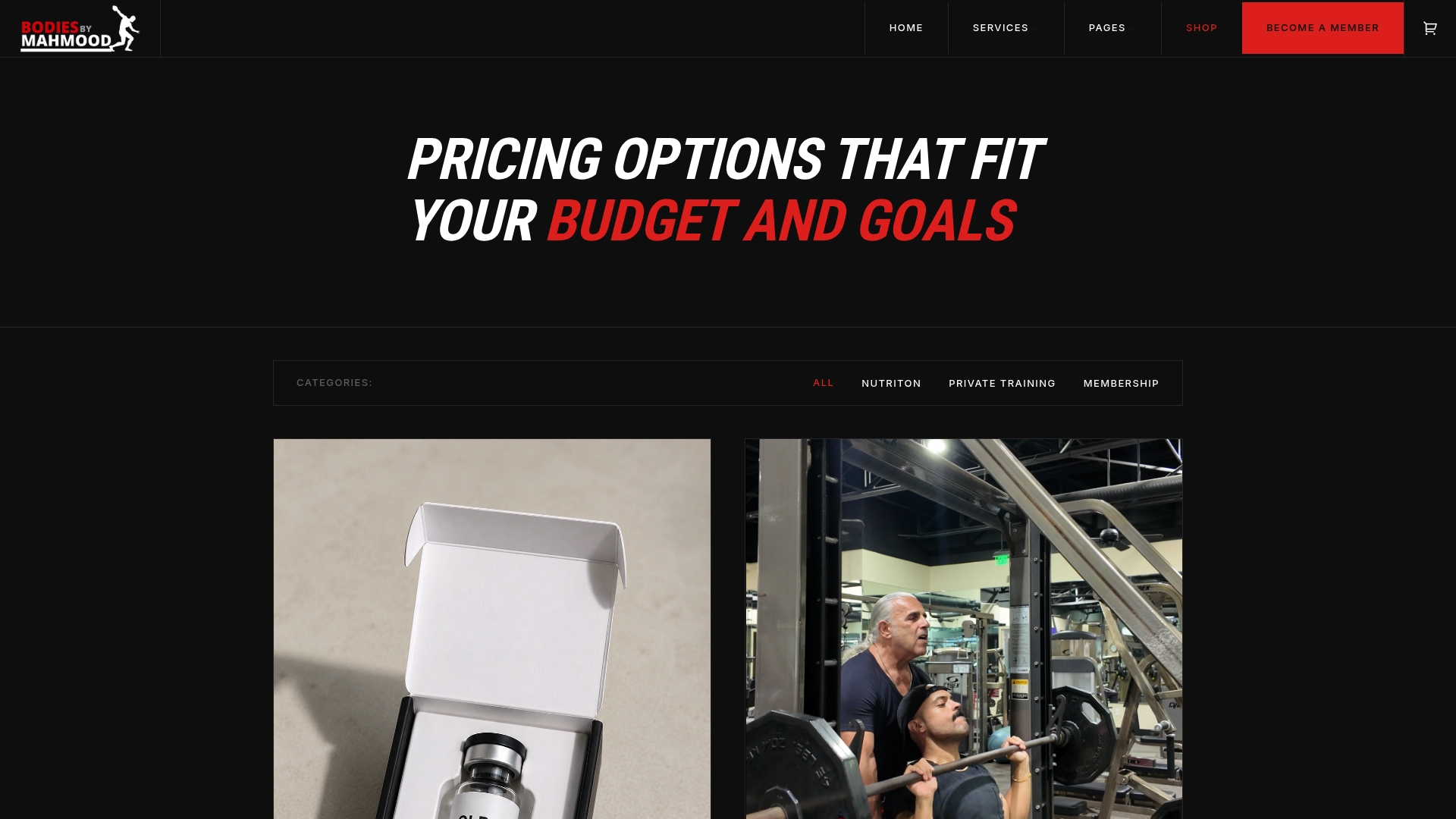
Bodiesbymahmood in Orlando gives athletes and coaches direct access to sports-specific training under expert supervision, without the upfront cost of buying a platform. With over 25 years of experience working with athletes from amateur to professional levels, the facility offers individualized baseline testing, multi-system access, and programming built around your actual performance data, not a vendor’s marketing claims. That is a fundamentally different value proposition than ordering a band set online and figuring it out yourself.
Book a personal training session at Bodiesbymahmood and get a supervised introduction to the training methods that match your goals. Come in, test the systems, and leave with a clear picture of what your program actually needs.
Useful sources and further reading
- Vertical Blitz Bands — VertiMax alternative overview (HoopsKing): Full price and throughput comparison between Vertical Blitz Bands and VertiMax, including replacement band pricing.
- Vertical Blitz Resistance Bands — product page (HoopsKing): SKU-level replacement band pricing by weight and color; useful for lifetime cost calculations.
- ArisPro vs. VertiMax — pros and cons (aristraining.com): Vendor comparison covering digital calibration, subscription tiers, and connected-platform trade-offs.
- PWR Joe inertial trainer (pwrjoe.com): Specs, loading vectors, and installation footprint for the wall-mounted flywheel station.
- VertMax — Train Vertical Jump app (App Store): App Store listing with subscription pricing and AI video analysis features.
- TrainHeroic athlete platform (trainheroic.com): Overview of coach-driven programming, athlete accounts, and free/paid tier structure.
- QuickCoach — Trainerize alternatives comparison: Side-by-side of coaching software platforms with pricing; useful for software-only buyers.
- VertiMax app — Google Play listing: Official VertiMax app description covering programming, exercise library, and device compatibility.
- VertiMax app — official site (vertimaxapp.com): Free and premium subscription details ($9.99/month or $89.99/year) and streaming exercise library.
- Bodiesbymahmood — personal training and sports-specific programming: Booking page for supervised sessions, individualized testing, and demo access in Orlando.