



What does a senior fitness safety checklist cover?
Safe exercise for older adults comes down to one principle: prepare before you move. A complete senior fitness safety checklist addresses every layer of risk, from your health history to the floor under your feet. Here are the core items every older adult, caregiver, or health professional should verify before any workout session:
- Medical clearance: Get physician approval before starting or increasing exercise, especially if you are over 50 or managing a chronic condition. The Physical Activity Readiness Questionnaire (PAR-Q) is a practical first screen.
- Warning signs to know: Stop immediately if you experience chest pain, dizziness, or nausea during any activity.
- Safe environment: Non-slip flooring, bright lighting, clear pathways, and an emergency device within reach.
- Proper footwear and clothing: Well-fitting shoes with arch support and cushioned heels, plus breathable, loose-fitting clothing.
- Warm-up and cool-down: Light walking or gentle movement before and after every session.
- Exercise guidelines: At least 150 minutes of moderate aerobic activity weekly, plus muscle-strengthening on two or more days.
- Hydration: Drink water before, during, and after exercise, even without feeling thirsty.
- Assistive devices: Use walkers, canes, or grab bars as needed; never skip them to appear more capable.
- Emergency plan: Keep a phone accessible, inform someone of your session, and know when to call for help.
The CDC and the National Institute on Aging both ground these items in evidence. The MSD Manual reinforces that medical supervision is especially critical for adults with unstable or newly diagnosed conditions.
How do you prepare safely for senior fitness sessions?

Medical screening first
Anyone over 50, or managing conditions like heart disease, diabetes, or arthritis, should consult a healthcare provider before starting or significantly increasing exercise. The PAR-Q flags whether a physician visit is needed before you begin. Symptoms that require immediate evaluation include chest pain or pressure, unexplained dizziness, joint swelling, and sores that won’t heal. Do not wait for a scheduled appointment if these appear during exercise.
Chronic conditions do not disqualify anyone from being active. The National Institute on Aging confirms that tailored exercise programs can actually improve management of arthritis, heart disease, and diabetes when supervised by a health professional. The key word is tailored.
Building a safe workout environment
- Flooring: Non-slip rubber mats or textured surfaces prevent slipping during movement. Avoid smooth tile or bare concrete.
- Lighting: Older eyes need significantly more light than younger ones. Aim for 5,000 lumens per fixture using 5,000K LED lights, and use two to four fixtures in your workout space.
- Clear pathways: Remove loose rugs, cords, and any clutter from the floor before starting. Clutter is the leading fall hazard in home workout spaces.
- Emergency access: Keep a phone within arm’s reach during every session. If you live alone, a medical alert device adds another layer of protection.
- Equipment storage: Store weights and resistance bands at floor level in a designated container. Items left on the floor become trip hazards between sessions.
Pro Tip: Add contrast tape along the edges of steps or raised platforms in your workout area. Older adults often struggle to judge depth and surface changes in lower light, and a simple strip of bright tape can prevent a serious fall.
What exercise guidelines do seniors need to follow?
Aerobic and strength targets
The CDC recommends 150 minutes of moderate aerobic activity weekly, or 75 minutes of vigorous activity, plus muscle-strengthening exercises targeting all major muscle groups on at least two days per week. Brisk walking, swimming, and cycling count toward the aerobic target. Resistance bands, dumbbells, and bodyweight exercises cover the strength component. Balance activities, such as heel-to-toe walking or standing from a seated position, round out a complete weekly routine.
Strength training delivers the greatest functional benefit for older adults compared to other exercise types, improving independence, reducing fall risk, and supporting bone density. It should be a non-negotiable part of any senior fitness program.
Warm-up, cool-down, and progression
Every session needs a warm-up: five to ten minutes of easy walking, arm circles, or light movement prepares joints and raises core temperature before any real load. Cool-down mirrors this, bringing the heart rate down gradually rather than stopping abruptly. Skipping either step is where many injuries begin.
The start slow principle is not a suggestion for beginners only. It applies every time you return from illness, travel, or a break of more than two weeks. Increase frequency, intensity, and duration gradually over weeks, not days.
Monitoring exertion and knowing when to stop
- Stop immediately if you feel chest pain, dizziness, nausea, or unusual shortness of breath.
- Soreness lasting more than one day after a session signals that intensity was too high. Reduce it before the next workout.
- During strength training, breathe out during the effort and breathe in during the release. Never hold your breath.
- Avoid locking arm or leg joints at full extension during any resistance exercise.
Modifications for chronic conditions
Arthritis requires avoiding exercise on days when specific joints are swollen or inflamed. Shift focus to unaffected areas or rest. People managing diabetes may need to adjust meal timing and medication schedules around activity. Heart disease patients should work within physician-approved heart rate ranges. For arthritis-specific modifications, a structured plan from a qualified trainer makes the difference between progress and setback.
Hydration and nutrition
Drink water before, during, and after every session, regardless of thirst. Older adults have a reduced thirst response, which means dehydration can develop before you notice it. If a physician has placed fluid restrictions on you, confirm safe intake levels before increasing exercise. Avoid caffeine and alcohol around workout time, particularly in warm weather.
What do Bodiesbymahmood’s experts say about senior fitness safety?
Bodiesbymahmood brings over 25 years of experience working with athletes from amateur to professional levels, with trainers who hold college and professional sports backgrounds. That depth of experience surfaces patterns that standard checklists miss.
- Prioritize foundational strength before balance drills. Unstable surfaces like Bosu balls increase fall risk in older adults before they have built adequate base strength. Start with solid-ground exercises and progress to balance challenges only after demonstrating control.
- Lighting contrast is a genuine safety factor. Older adults require up to three times more light than younger adults to navigate a space safely. This is not a comfort preference; it is a physiological reality that affects depth perception and reaction time.
- Equipment storage is part of the safety plan. Weights left on the floor between sessions are trip hazards. Every piece of equipment should have a designated home, and the floor should be clear before and after every workout.
- Listen to your body, not the “push through it” culture. Persistent soreness beyond one day means the session was too intense. Scaling back is not failure; it is the correct response.
- Assistive devices belong in the workout. A walker or cane used during exercise is not a limitation. It is a tool that keeps training consistent and safe.
For a structured approach to tracking progress safely, Bodiesbymahmood offers resources built specifically for older adults. Understanding mobility and athletic longevity is equally useful for caregivers and fitness professionals supporting seniors.
How do you use this checklist consistently and effectively?
Consistency is where most safety plans break down. Running through a checklist once before a first session and then abandoning it is exactly how preventable injuries happen.
- Pre-session environment check: Before every workout, scan the floor for hazards, confirm lighting is adequate, and verify your phone is within reach.
- Track your response to each session: Note how you felt during and after. If soreness or fatigue increases week over week, intensity needs adjustment. A fitness progress log makes this straightforward.
- Warm up every time, without exception. Five minutes of easy movement before any session is not optional for older adults.
- Inform someone before solo sessions. Tell a family member, neighbor, or caregiver when you are exercising alone, and when you expect to finish.
- Schedule regular medical updates. Health conditions change. An exercise plan that was appropriate six months ago may need adjustment after a new diagnosis or medication change.
- Work with a qualified professional. A personal trainer experienced with older adults can identify form errors, suggest modifications, and catch warning signs before they become injuries. The healthy aging approach Bodiesbymahmood applies to adults 50 and older reflects exactly this kind of individualized attention.
Ready to train with a team that has spent over 25 years keeping athletes of every age moving safely? 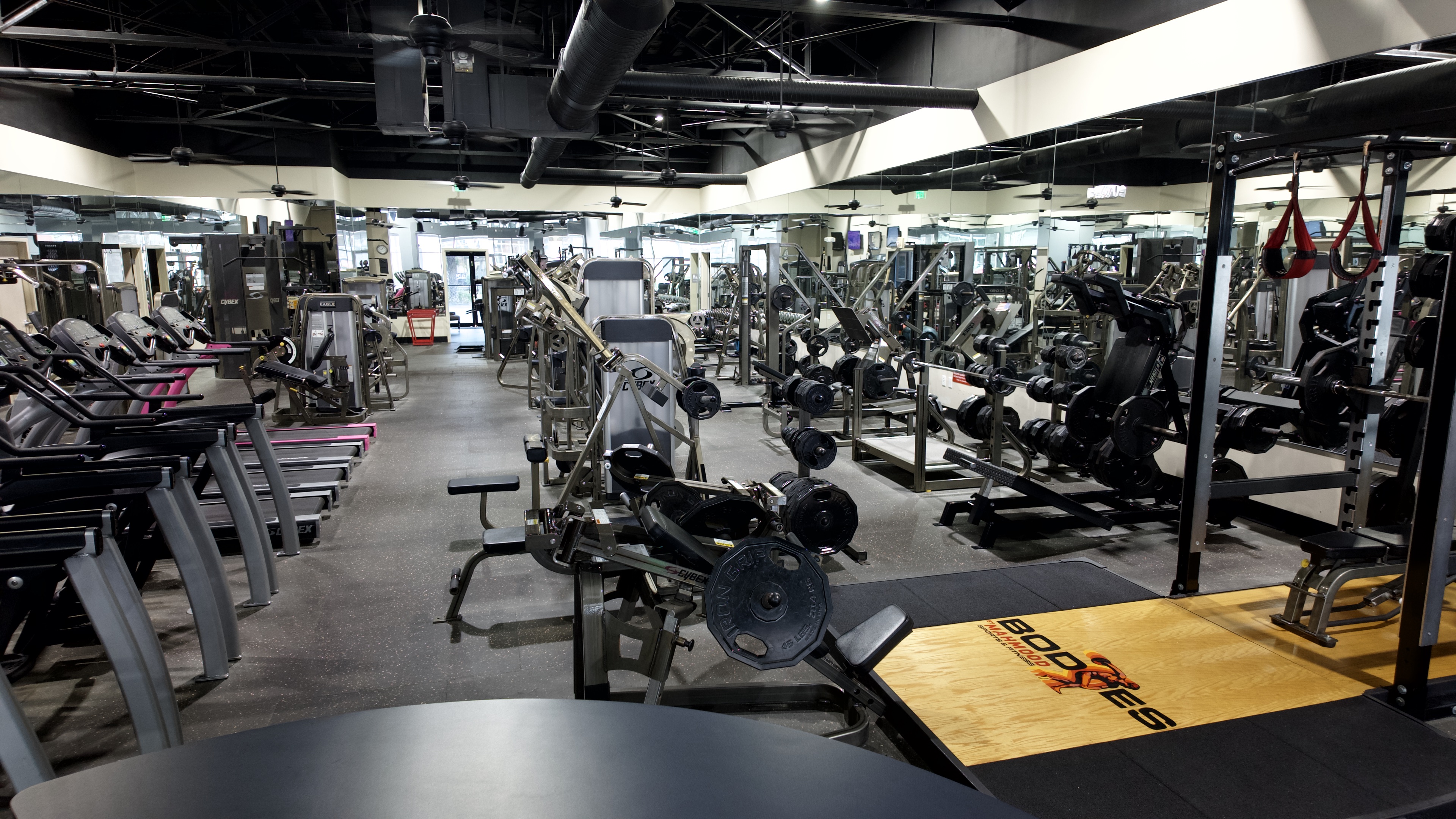
Bodiesbymahmood’s trainers build personalized fitness plans grounded in real sports science, not generic templates. Whether you are starting from scratch or returning after a health setback, the right guidance changes outcomes. Explore personal training services at Bodiesbymahmood and take the guesswork out of exercising safely.
Key Takeaways
Safe senior fitness requires medical clearance, a hazard-free environment, evidence-based exercise guidelines, and consistent self-monitoring to prevent injury and sustain long-term progress.
| Point | Details |
|---|---|
| Medical clearance first | Consult a physician before starting or increasing exercise, especially if over 50 or managing a chronic condition. |
| 150 minutes weekly | The CDC targets at least 150 minutes of moderate aerobic activity (or 75 minutes vigorous activity), plus strength training for all major muscle groups on at least two days every week. |
| Environment safety | Non-slip flooring, bright lighting, clear pathways, and a phone within reach are non-negotiable before any session. |
| Stop on warning signs | Chest pain, dizziness, or nausea during exercise require immediate cessation and medical evaluation. |
| Soreness signals overexertion | Soreness lasting more than one day means intensity was too high; reduce it before the next session. |