


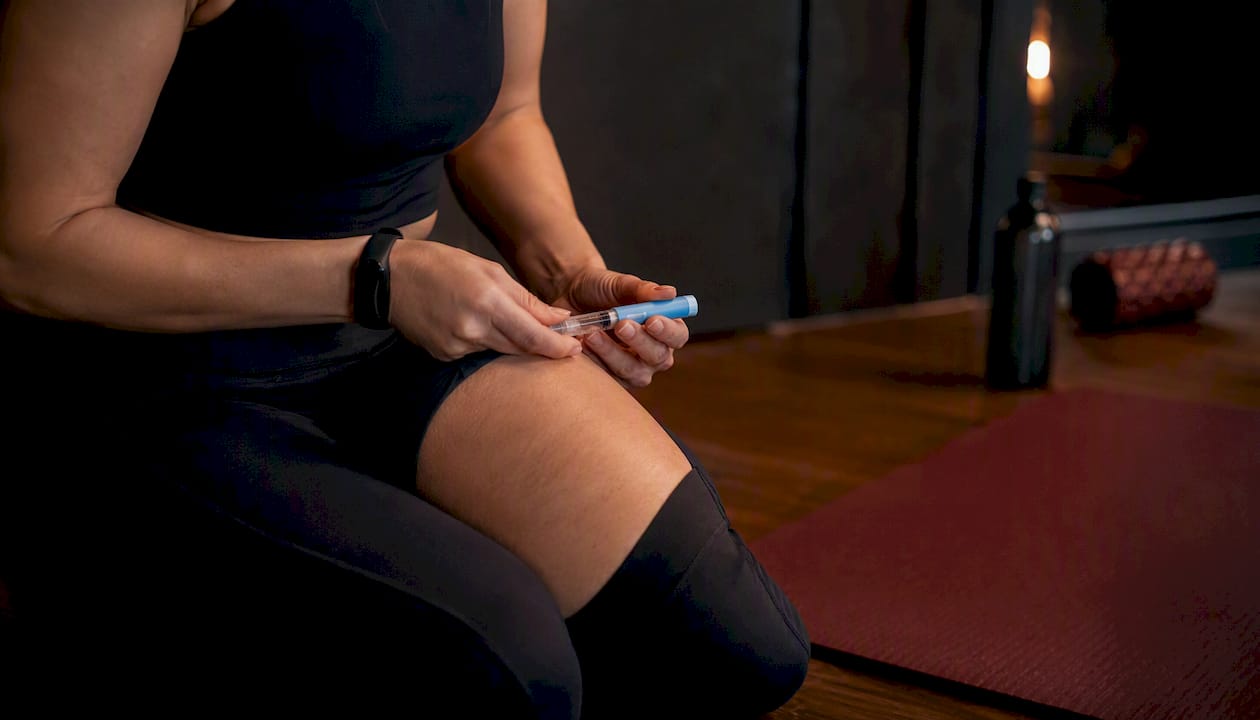
Both Ozempic and Wegovy contain the same active ingredient, semaglutide, but the FDA has approved them for different purposes: Ozempic for type 2 diabetes management (and cardiovascular/kidney risk reduction), Wegovy for chronic weight management in adults and adolescents. That single regulatory distinction drives nearly every practical difference between them, from maximum dose to insurance coverage.
What this means for you right now:
- If your primary goal is weight loss and you meet BMI criteria (30 or higher, or 27 or higher with a weight-related condition), Wegovy is the labeled choice.
- If you have type 2 diabetes and need glycemic control, Ozempic is the labeled choice — weight loss often follows as a secondary benefit.
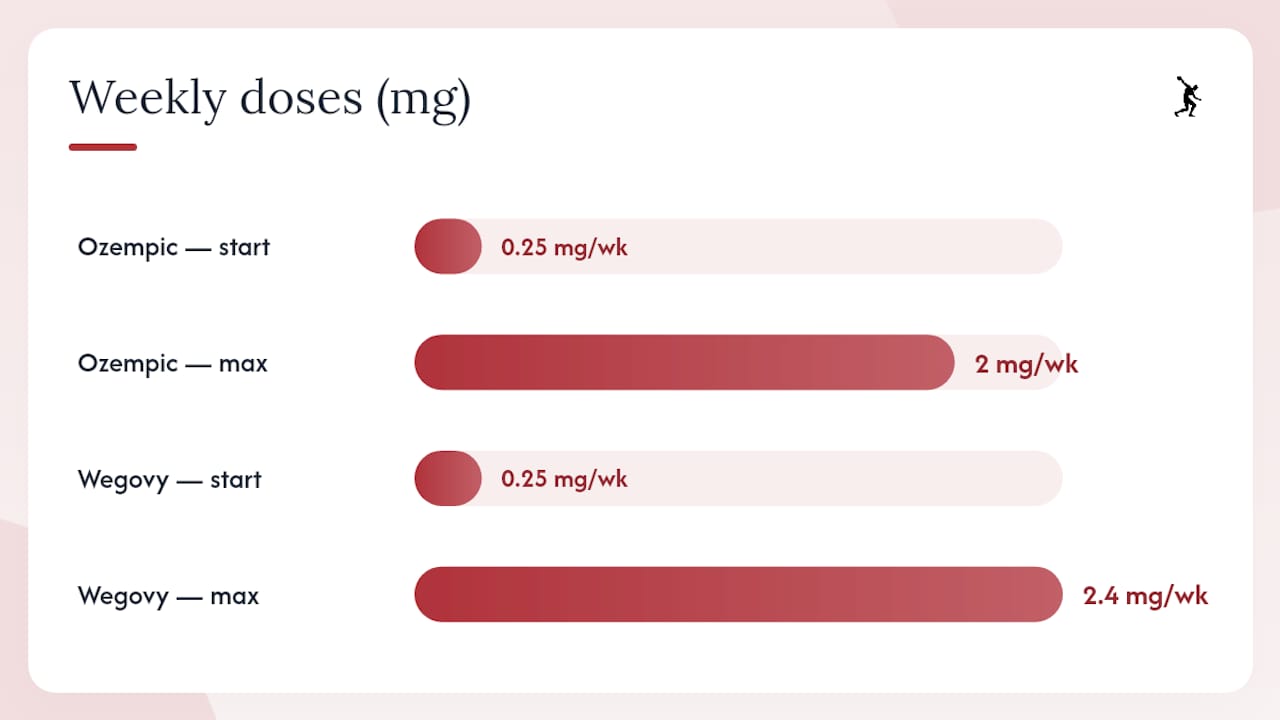
- Dosing differs significantly: Wegovy titrates up to 2.4 mg weekly; Ozempic’s labeled maximum for diabetes is 2 mg weekly per the FDA label.
- Safety reminder: Both carry a boxed warning for thyroid C-cell tumors. Never start, stop, or adjust either drug without a prescriber.
- Next step: Before your next appointment, write down your BMI, most recent A1C (if known), cardiovascular history, and insurance plan. Those four data points will shape your clinician’s recommendation more than anything you read online.
The FDA, major academic medical centers like UCHealth and UCSF, and the ClinicalTrials.gov registry all provide primary-source data on these drugs. This article draws on those sources to give you a clear, clinically grounded comparison.
Table of Contents
- How does semaglutide actually work in your body?
- What are the real differences between Ozempic vs Wegovy?
- How do dosing and titration actually work in practice?
- What do clinical trials actually show about weight loss?
- What are the side effects and serious risks you need to know?
- How long do people stay on these medications, and what happens when they stop?
- What does Ozempic or Wegovy actually cost, and will insurance cover it?
- How supervised training and medical oversight improve your results on semaglutide
- Key Takeaways
- The case for supervised programs over standalone prescriptions
- Supervised medical weight loss and training at Bodiesbymahmood
- Useful sources and further reading
How does semaglutide actually work in your body?
Semaglutide is a GLP-1 receptor agonist, meaning it mimics glucagon-like peptide-1, a hormone your gut naturally releases after eating. When semaglutide binds to GLP-1 receptors, three things happen at once.
First, it stimulates insulin secretion from the pancreas in a glucose-dependent way, so insulin rises when blood sugar rises and stays low when it doesn’t. That mechanism is why it controls blood sugar without causing dangerous hypoglycemia on its own. Second, it suppresses glucagon, the hormone that tells the liver to release stored glucose. Third, it slows gastric emptying and signals the hypothalamus to reduce appetite, so you feel full sooner and stay full longer.
Those last two effects are why the same molecule that treats diabetes also produces meaningful weight loss. The appetite suppression is central nervous system-mediated, not just a side effect of slower digestion. That distinction matters clinically: patients often report reduced cravings for high-calorie foods, not just smaller portions.
Common early side effects tied directly to this mechanism:
- Nausea and vomiting (gastric emptying slows abruptly at the start of therapy)
- Diarrhea or constipation as gut motility adjusts
- Burping and bloating, especially after fatty meals
- Reduced appetite that can occasionally tip into inadequate caloric intake
These effects tend to peak during dose escalation and improve once the body adapts, usually within four to eight weeks at each dose level.
What are the real differences between Ozempic vs Wegovy?
The single biggest difference: Wegovy is FDA-approved for chronic weight management at a maximum weekly dose of 2.4 mg, while Ozempic is approved for type 2 diabetes at a maximum of 2 mg weekly. Same molecule, different ceilings, different labeled populations.
| Feature | Ozempic | Wegovy |
|---|---|---|
| FDA-approved indication | Type 2 diabetes; cardiovascular/kidney risk reduction | Chronic weight management (adults + adolescents ≥12) |
| Active ingredient | Semaglutide (subcutaneous injection) | Semaglutide (subcutaneous injection) |
| Starting dose | 0.25 mg weekly | 0.25 mg weekly |
| Maximum labeled dose | 2 mg weekly | 2.4 mg weekly |
| Titration interval | Every 4 weeks | Every 4 weeks |
| Delivery device | Multi-dose pen (reusable) | Single-dose pen (prefilled) |
| Pediatric approval | Not approved for weight loss in children | Approved for adolescents ≥12 with obesity |
| MASH approval | No | Yes (adults with MASH and liver fibrosis) |
As Cleveland Clinic notes, both products contain semaglutide but carry different approvals and dosing ranges. The device difference is practical: Ozempic uses a multi-dose pen you dial and reuse; Wegovy uses a single-dose, single-use autoinjector. Neither is inherently better, but patients switching between products need to relearn the injection technique.
For authoritative label details, the FDA’s drug label documents are the definitive reference. Clinicians should consult them before prescribing, and patients should ask their pharmacist to walk through the device.
How do dosing and titration actually work in practice?
Both drugs start at 0.25 mg once weekly, a dose too low for therapeutic effect but designed to let your GI tract adapt. From there, the titration paths are nearly identical until they diverge at the top.
Typical titration schedule (both products):
- Weeks 1–4: 0.25 mg weekly (tolerability phase)
- Weeks 5–8: 0.5 mg weekly
- Weeks 9–12: 1 mg weekly
- Weeks 13–16: 1.7 mg weekly (Wegovy continues; Ozempic may stop at 1 mg or 2 mg for diabetes)
- Week 17 onward: 2.4 mg weekly (Wegovy maintenance) or up to 2 mg (Ozempic)
Administration notes worth knowing:
- Inject subcutaneously into the abdomen, thigh, or upper arm; rotate sites weekly to avoid lipohypertrophy.
- Inject on the same day each week; if you miss a dose by more than five days, skip it and resume the next scheduled day.
- Store pens in the refrigerator; once in use, Ozempic pens can be kept at room temperature for up to 56 days.
- Wegovy’s single-dose pen is discarded after each use; Ozempic’s multi-dose pen is capped and stored.
An oral semaglutide formulation (Rybelsus) also exists for type 2 diabetes, dosed daily at 3 mg, 7 mg, or 14 mg. It requires specific administration conditions (taken on an empty stomach with no more than 4 oz of water, 30 minutes before food or other medications) and produces lower systemic exposure than the injectable forms. It is not interchangeable with Ozempic or Wegovy for weight-loss purposes.
Pro Tip: Never self-adjust your dose to accelerate weight loss, and be cautious about compounded semaglutide preparations. The FDA has flagged safety concerns with compounded versions, including dosing errors and contamination risks. If cost is driving you toward a compounded product, read guidance on buying semaglutide safely before making that decision.
What do clinical trials actually show about weight loss?
Wegovy has the stronger evidence base for substantial weight loss at its labeled dose. The STEP trial program, registered on ClinicalTrials.gov, tested semaglutide 2.4 mg weekly in adults with obesity or overweight plus a weight-related condition. Ozempic trials focused on glycemic control in type 2 diabetes, with weight loss as a secondary endpoint rather than the primary outcome.
What the evidence shows: Participants in semaglutide weight-management trials achieved clinically meaningful weight reductions at the 2.4 mg dose over 68 weeks. Ozempic trials in diabetes populations also showed weight loss, but at lower doses and in a population where glycemic control was the primary measure. The two drugs have never been compared head-to-head in a randomized trial, so direct efficacy comparisons rely on cross-trial inference, not controlled data.
That distinction matters when your clinician is setting expectations. A patient with type 2 diabetes on Ozempic will likely lose weight, but the labeled dose ceiling is lower than Wegovy’s, and the trial populations differ.
Key points on interpreting the evidence:
- Trial results reflect outcomes in controlled settings with dietary counseling; real-world results vary.
- Weight loss tends to plateau between weeks 40 and 72 as metabolic adaptation reduces resting energy expenditure and non-exercise activity thermogenesis (NEAT).
- GLP-1 receptor agonists also show cardiovascular benefits in diabetes populations, a finding supported by published outcome data that has influenced prescribing guidelines.
- Clinicians should plan for a plateau reassessment at 8–12 weeks when weight loss stalls, rather than assuming the medication has failed.
What are the side effects and serious risks you need to know?
Both drugs share the same safety profile because they contain the same molecule. Side-effect frequency tends to rise with dose, which is one reason the titration schedule exists.
Common side effects (GI-related, usually transient):
- Nausea, vomiting, diarrhea, constipation
- Abdominal pain and bloating
- Decreased appetite (can become problematic if caloric intake drops too low)
- Fatigue during dose escalation
Serious risks and contraindications:
- Thyroid C-cell tumors (boxed warning): Both drugs carry an FDA boxed warning based on rodent data. Neither should be used in patients with a personal or family history of medullary thyroid carcinoma (MTC) or Multiple Endocrine Neoplasia syndrome type 2 (MEN2).
- Acute pancreatitis: Discontinue immediately if pancreatitis is suspected; do not restart.
- Diabetic retinopathy: Rapid A1C improvement with Ozempic has been associated with worsening retinopathy in some patients. Eye exams before and during therapy are recommended for patients with existing retinopathy.
- Pregnancy: Both drugs should be stopped at least two months before a planned pregnancy. Animal studies show fetal harm; human data are limited.
- Kidney function: GI fluid losses from vomiting or diarrhea can impair renal function, particularly in patients with existing kidney disease.
“Experts stress similar side-effect profiles and emphasize clinical oversight to manage tolerability. Selection between Ozempic and Wegovy is about dose and the clinical program supporting treatment, not a different active molecule.” — UCHealth
Monitoring and perioperative notes: Tell your anesthesiologist you are on a GLP-1 agonist before any procedure requiring sedation. Slowed gastric emptying increases aspiration risk. Some surgical centers now require patients to hold the drug for one to two weeks before elective procedures. Report severe or persistent abdominal pain, vision changes, or signs of dehydration to your prescriber immediately.
How long do people stay on these medications, and what happens when they stop?
Long-term or indefinite therapy is the current clinical expectation for sustained benefit. Stopping either drug typically leads to weight regain and, in diabetes patients, return of glycemic control challenges, unless a structured maintenance plan is already in place.
Practical guidance on duration and follow-up:
- Expect a clinical reassessment at 16 weeks; if you haven’t lost at least 5% of body weight by then, your prescriber may reconsider the approach.
- Metabolic adaptation is real: resting metabolic rate can drop during sustained caloric deficit, which is why weight loss slows even on medication. Resistance training and adequate protein intake help counteract this.
- Follow-up visits typically include weight, A1C (for diabetes patients), blood pressure, and renal function checks every three to six months.
- If you hit a plateau, the Mayo Clinic recommends reassessing caloric intake, increasing resistance training, and addressing sleep and stress before assuming the medication has stopped working.
- Preserving lean muscle mass during weight loss requires deliberate effort. Rapid weight loss without resistance training leads to muscle loss alongside fat loss, which worsens long-term metabolic outcomes. See how to prevent muscle loss on GLP-1 medications for practical strategies.
Pro Tip: Before you taper or stop either medication, build your maintenance plan with your clinician first. That means a structured resistance training program, a protein target, and a monitoring schedule. Stopping without a plan is the most common reason for rapid regain.
What does Ozempic or Wegovy actually cost, and will insurance cover it?
Coverage is more reliable when the drug is prescribed for type 2 diabetes. Weight-loss indications are frequently denied by commercial insurers, and out-of-pocket costs can exceed $1,000 per month without coverage, according to UCHealth’s reporting.
Steps to improve access and reduce cost:
- Ask your prescriber to document your diagnosis codes precisely. A claim submitted under obesity alone is more likely to be denied than one that includes a comorbidity like hypertension or sleep apnea.
- Request a prior authorization (PA) before the prescription is filled. Your prescriber’s office handles this, but you need to prompt it.
- Check manufacturer savings programs. Novo Nordisk offers patient assistance and savings card programs for both drugs; eligibility depends on insurance status and income.
- Medicare coverage for weight-loss drugs has expanded through pilot programs. Ask your prescriber whether you qualify under current Medicare Part D rules.
- Telehealth programs can sometimes reduce the total cost of care by bundling prescriptions with clinical oversight. Verify that any telehealth provider is licensed in your state and prescribes through a licensed pharmacy.
What to bring to your insurance or pharmacy conversation:
- Your most recent BMI measurement (date and value)
- Diagnosis codes from your prescriber (ICD-10 codes for obesity, diabetes, cardiovascular risk)
- Documentation of any prior weight-loss attempts (required by many PA processes)
- Your insurance formulary tier for the specific drug
- Proof of income if applying for manufacturer assistance programs
How supervised training and medical oversight improve your results on semaglutide
Medication is an adjunct, not a replacement for a structured program. The strongest outcomes on semaglutide come from supervised programs that combine medical oversight, nutrition guidance, and resistance training to protect muscle mass and functional performance.

This is not a marketing claim. It reflects the clinical consensus: rapid weight loss without resistance training depletes lean mass, which lowers resting metabolic rate and increases regain risk after stopping. Personalized training programs designed around your current fitness level and body composition goals are the structural support that makes medication-assisted weight loss sustainable.
What a well-designed supervised program includes:
- Baseline assessment: Body composition, fitness baseline testing, resting metabolic rate, and relevant bloodwork before starting medication.
- Plateau management: — Structured reassessment when weight loss stalls, including training program adjustments and dietary recalibration.
Bodiesbymahmood’s supervised medical weight-loss and sports-specific training programs in Orlando are built around exactly this model. With over 25 years of experience working with athletes and individuals at every fitness level, the team integrates medical oversight with individualized training to protect performance and body composition throughout the weight-loss process.
Pro Tip: If you’re asking “why am I not losing weight on Ozempic,” the answer is usually one of three things: the dose hasn’t reached therapeutic effect yet, metabolic adaptation has set in, or the medication is working but lean mass loss is masking fat loss on the scale. A personalized weight-loss training plan addresses all three.
Key Takeaways
Wegovy and Ozempic contain the same active ingredient, semaglutide, but differ in FDA-approved indication, maximum dose, and insurance coverage, making the right choice dependent on whether your primary goal is weight management or type 2 diabetes control.
| Point | Details |
|---|---|
| Same molecule, different approvals | Both contain semaglutide; Wegovy is approved for weight management, Ozempic for type 2 diabetes. |
| Dosing ceiling matters | Wegovy titrates to 2.4 mg weekly; Ozempic’s labeled maximum for diabetes is 2 mg weekly. |
| Coverage follows indication | Insurance typically covers Ozempic for diabetes; weight-loss prescriptions often exceed $1,000/month out of pocket. |
| Stopping leads to regain | Long-term therapy with a structured maintenance plan is the clinical standard for sustained benefit. |
| Bodiesbymahmood’s approach | Supervised medical weight-loss and resistance training programs in Orlando protect lean mass and support lasting results alongside semaglutide therapy. |
The case for supervised programs over standalone prescriptions
The conversation around Ozempic and Wegovy has a blind spot that bothers me: the framing that medication alone is the answer. It isn’t, and the clinical data supports that view. The STEP trials that established Wegovy’s efficacy included dietary counseling and lifestyle support. Strip those out and the results look different.
What I’ve seen repeatedly is patients who get a prescription, lose weight for six months, hit a plateau, and then either push for a higher dose or stop the medication entirely. Both responses miss the underlying issue: the body adapts. Metabolic rate drops, NEAT decreases, and without a resistance training program protecting lean mass, a meaningful portion of the weight lost is muscle, not fat. That sets up a worse metabolic baseline for the next attempt.
The drugs are genuinely useful tools. UCSF’s analysis raises legitimate questions about long-term safety data and supply constraints that deserve honest acknowledgment. But the patients who get the best outcomes are the ones who treat semaglutide as one component of a supervised program, not the whole program. That means baseline testing, a structured training plan, nutritional oversight, and regular clinical follow-up. Consult your clinician before starting either medication, and find a program that treats the medication as the adjunct it is.
Supervised medical weight loss and training at Bodiesbymahmood
Bodiesbymahmood offers something most weight-loss prescriptions don’t come with: a supervised program that combines medical management and sports-specific training under one roof in Orlando. The difference between losing weight and losing the right weight, meaning fat rather than muscle, comes down to what surrounds the medication.

Every program starts with a medical assessment and body composition baseline, followed by a personalized training plan built around your current fitness level and weight-loss goals. Nutrition oversight and regular medical follow-up are built into the structure, not optional add-ons. Whether you’re already on semaglutide therapy or considering it, the supervised environment protects your lean mass, manages plateaus, and gives you a maintenance plan before you ever need one.
Book your initial assessment or explore membership options to get started with a program designed to make your results last.
Useful sources and further reading
The sources below are the primary references used in this article. Reviewing them directly gives you the most current and authoritative information on dosing, trial design, and safety.
- How to break a weight-loss plateau
- FDA label (semaglutide product)
- ClinicalTrials.gov study record
- Are the newest weight-loss drugs too good to be true? (UCSF)
- PubMed: GLP-1 and cardiovascular outcomes
This article provides general health information, not medical advice. Confirm current prescribing guidelines, eligibility criteria, and insurance rules with your prescriber or a licensed clinical professional before starting any medication.