


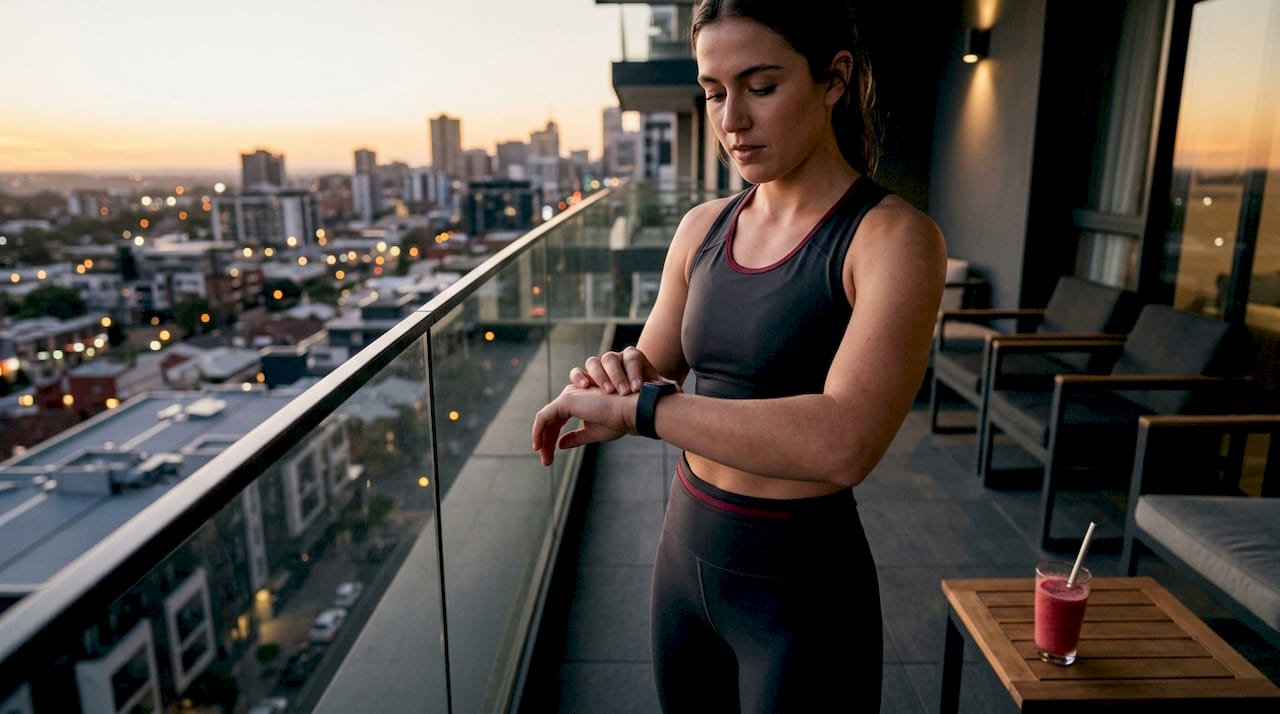
Fitness tracking best practices for individuals are defined as the consistent, personalized strategies that turn raw device data into real behavioral change. Self-monitoring fitness strategies work only when three conditions are met: accurate data collection, goal alignment with your current capacity, and trend-focused interpretation rather than daily obsession. Exercise and Sports Science Australia confirms that goal types must match activity level, meaning a single approach fails most people. Bodiesbymahmood has seen this play out across 25 years of working with athletes and everyday fitness seekers in Orlando. The difference between people who quit tracking and those who thrive is rarely the device. It is the method.
1. Fitness tracking best practices individuals need to start with
The foundation of effective fitness tracking is accurate setup. A tracker that sits wrong or holds incorrect profile data will produce numbers you cannot trust. Every decision you make from that data will be off.
Wear your tracker snugly, positioned roughly one finger’s width above your wrist bone. That placement keeps the optical heart rate sensor in consistent contact with your skin during movement. A loose or low-sitting device reads heart rate and step counts inaccurately.

Your personal profile matters just as much as placement. Enter your correct age, sex, and weight when setting up the device. These inputs drive the metabolic calculations behind calorie estimates and heart rate zones. Wrong inputs produce wrong outputs, no matter how good the hardware is.
Battery life is a practical concern that most people underestimate. A tracker that dies overnight loses your sleep data. Charge on a consistent schedule, such as during your morning shower, so the device stays on your wrist through the hours that matter most.
Pro Tip: Set a phone alarm to remind yourself to charge your tracker at the same time every day. Consistency in wear time is the single biggest factor in data reliability.
2. How to set personalized fitness goals that actually work
Goal setting is where most people go wrong before they even start moving. Research published in Sports Medicine confirms that SMART goals suit highly active individuals, while open goals work better for people who are not yet meeting basic activity guidelines. Using the wrong goal type for your current fitness level kills motivation fast.
SMART goals are Specific, Measurable, Achievable, Relevant, and Time-bound. An example: “Walk 8,000 steps per day for the next four weeks.” This works well if you already exercise regularly and need structure to push further. Open goals, by contrast, simply encourage more movement without a fixed target. They reduce pressure and build the habit first.
Exercise and Sports Science Australia recommends tailoring goals dynamically to your current capacity rather than applying a one-size-fits-all formula. Your goal in week one should not look like your goal in week eight. As your baseline improves, your targets should shift with it.
A practical rule for step-based goals: increase your weekly average by no more than 10% at a time. Jumping from 5,000 to 10,000 steps overnight leads to burnout or injury. Gradual increases build sustainable habits.
Review your goals every two to four weeks. Ask whether the target still challenges you without overwhelming you. If you hit your goal every single day without effort, it is time to raise the bar.
Pro Tip: Tie your goal to something personal, not just a number. “I want to walk 7,000 steps daily so I can keep up with my kids at the park” is far more motivating than “I want to hit a step target.”
3. How to analyze your fitness tracking data for meaningful insights
Data analysis is where personalized fitness tracking either pays off or falls apart. The most common mistake is checking your stats every hour and reacting to every dip. That behavior creates anxiety, not progress.
Review weekly trends rather than daily numbers. A single bad day of low steps or poor sleep tells you almost nothing. A pattern across seven days tells you something worth acting on. Schedule about 10 minutes each week, such as Sunday evening, to sit with your data and look for patterns.
The metrics worth your attention are step count weekly averages, resting heart rate trends, and sleep duration patterns. These three give you a clear picture of your activity level, cardiovascular fitness, and recovery quality. Calorie burn estimates are the least reliable number on your screen.
Calorie estimates from wrist trackers can be off by 20–93%. That range makes them useless for precise nutrition planning. Use them only as a rough directional signal, not as the basis for eating decisions.
Focus periodWhat to trackWhat to ignoreDailyHydration reminders, active minutesExact calorie burn, sleep stage detailWeeklyStep count average, resting heart rateSingle-day weight fluctuationsMonthlyFitness trend direction, sleep durationShort-term mood-based data dips
Sleep tracking deserves a specific note. Wearable sleep data is useful for spotting trends in bedtime consistency and overnight heart rate recovery. It is not accurate enough to replace a clinical sleep study. Treat it as a behavioral mirror, not a medical diagnosis.
Pair your numbers with subjective markers. Rate your energy and mood on a simple 1–5 scale each morning. When your subjective score drops alongside your tracker data, that pattern is meaningful. When only one drops, look for non-training explanations first.
4. Common mistakes that undermine your fitness tracking results
The biggest mistake in fitness tracking is treating data as a verdict. Your tracker is a guide, not a judge. Fitness trackers work best as motivational tools and behavioral guides, not as final assessments of your health or fitness.
Obsessing over perfect numbers turns a helpful tool into a source of daily stress. The goal is progress over time, not a flawless dashboard every morning.
Switching devices is another common error. When you change trackers mid-program, you lose the consistent baseline that makes trend data meaningful. Using the same device, measured at the same time of day, with the same landmarks, is what separates real physiological progress from data noise.
Other mistakes that quietly derail progress:
Tracker fatigue is real. When the device starts to feel like a source of pressure rather than support, take a one-week break from checking the app. Keep wearing the tracker to collect data, but do not review it. This reset often restores the motivation that obsessive checking erodes.
Pro Tip: If you find yourself anxious about your step count by 9:00 AM, that is a sign to check your data less often, not more. Weekly reviews protect your mental relationship with fitness.
5. How to connect tracking data to real lifestyle changes
Fitness data has no value unless it changes your behavior. The point of tracking is not to accumulate numbers. It is to spot patterns and act on them.
Use your resting heart rate trend as a recovery signal. A resting heart rate that climbs three to five beats above your normal baseline after a hard training week tells you to reduce intensity before you burn out or get sick. This is more reliable than how sore you feel.
Heart rate zone data during workouts tells you whether you are training at the right intensity for your goal. If your goal is fat burning, spending most of your cardio sessions in a high-intensity zone is counterproductive. Zone 2 training, which keeps heart rate at roughly 60–70% of your maximum, builds aerobic base more effectively for most people.
Connect your sleep duration trends to your energy and performance data. When sleep drops below your personal average for several consecutive nights, expect your step count and workout quality to follow. That connection, once you see it in your own data, makes sleep a training variable rather than an afterthought.
For people with advanced goals, combining tracker data with periodic clinical baselines, such as a VO2 max test or body composition scan, adds precision that wearables alone cannot provide. Start simple and add complexity only when your basic tracking habits are solid.
Key takeaways
Effective fitness tracking for individuals requires consistent device use, personalized goal setting, and weekly trend analysis rather than daily data reactions.
PointDetailsDevice setup accuracyWear your tracker one finger above the wrist bone and enter correct profile data.Match goals to activity levelUse SMART goals if already active; use open goals to build the habit first.Focus on weekly trendsReview step averages, resting heart rate, and sleep duration weekly, not daily.Distrust calorie estimatesCalorie burn data can be off by 20–93%; use it for direction only, not nutrition math.Data guides behaviorUse tracking patterns to adjust training intensity, recovery, and sleep habits.
What 25 years of watching people track fitness taught me
Most people who quit fitness tracking do not quit because the device failed them. They quit because they set it up to fail from the start. They picked goals that belonged to someone else, checked their data too often, and let a bad Tuesday convince them the whole month was lost.
The clients I have seen succeed long-term share one habit: they treat their tracker like a rearview mirror, not a steering wheel. They glance at it to understand where they have been, then make decisions based on where they want to go. The data informs the choice. It does not make it.
I have also watched people develop real anxiety around their sleep scores. They sleep worse because they are worried about their sleep score. That is the tracker working against you. The fix is simple: check sleep trends monthly, not nightly. Use the data to spot a pattern, then address the pattern with a behavioral change, not more data collection.
The most underrated fitness tracking practice is pairing your numbers with how you actually feel. Your body sends signals that no wrist device can capture. When your tracker says you had a great recovery night but you feel exhausted, trust your body. When your tracker shows a declining step trend but you feel strong and motivated, look for a measurement error before assuming you are regressing.
Fitness tracking is a tool. The best tools amplify skill. They do not replace it.
Personalized coaching to go with your tracking data
Fitness data tells you what is happening. A coach tells you what to do about it.
At Bodiesbymahmood, our trainers have over 25 years of experience translating real performance data into training programs that produce results. Whether you are just starting out or pushing toward a specific athletic goal, our personal training programs are built around your numbers, your schedule, and your body. If you are 40 or older and want a program designed for where you actually are right now, the Forty & Fit program is worth a look. We work with every fitness level, and we back our work with a results guarantee.
FAQ
What is the most important fitness tracking best practice?
Consistency in device use and weekly trend review are the most important practices. Wearing the same tracker daily and analyzing weekly averages, rather than daily numbers, produces the most reliable progress data.
How accurate are calorie burn estimates from fitness trackers?
Calorie burn estimates from wrist-based trackers can be off by 20–93%. Use them as a rough directional guide only, and never base precise nutrition decisions on these figures.
Should I use SMART goals or open goals for my fitness tracker?
SMART goals work best for people who already exercise regularly. Open goals, which encourage more movement without a fixed target, work better for people who are just building the habit of being active.
How often should I review my fitness tracking data?
Review your data weekly, not daily. Scheduling about 10 minutes once a week to analyze step count averages, resting heart rate, and sleep trends gives you meaningful patterns without the anxiety of reacting to daily fluctuations.
Is sleep tracking on a wearable accurate enough to rely on?
Wearable sleep tracking is useful for spotting long-term trends in bedtime consistency and overnight heart rate recovery. It is not precise enough to replace a clinical sleep study, so treat it as a behavioral guide rather than a medical measurement.